
Written by Terrence McNally. Ensemble Theatre. 14 Jun – 20 Jul, 2024.
Famed soprano Maria Callas is played, mostly, for laughs in Terrence McNally’s Tony Award winning 1995 play, giving Lucia Mastrantone the chance to work the room and terrorise her fellow performers.
Opera superstar Maria Callas (Mastrantone) is teaching a master class, and everyone’s invited. This is not a theatre anymore, but a classroom and we, the audience, are here to observe and learn. Between making demands of the staff and chit-chatting with Manny, the accompanist (Maria Alfonsine), Callas turns her hyper-critical eye on three aspiring students.
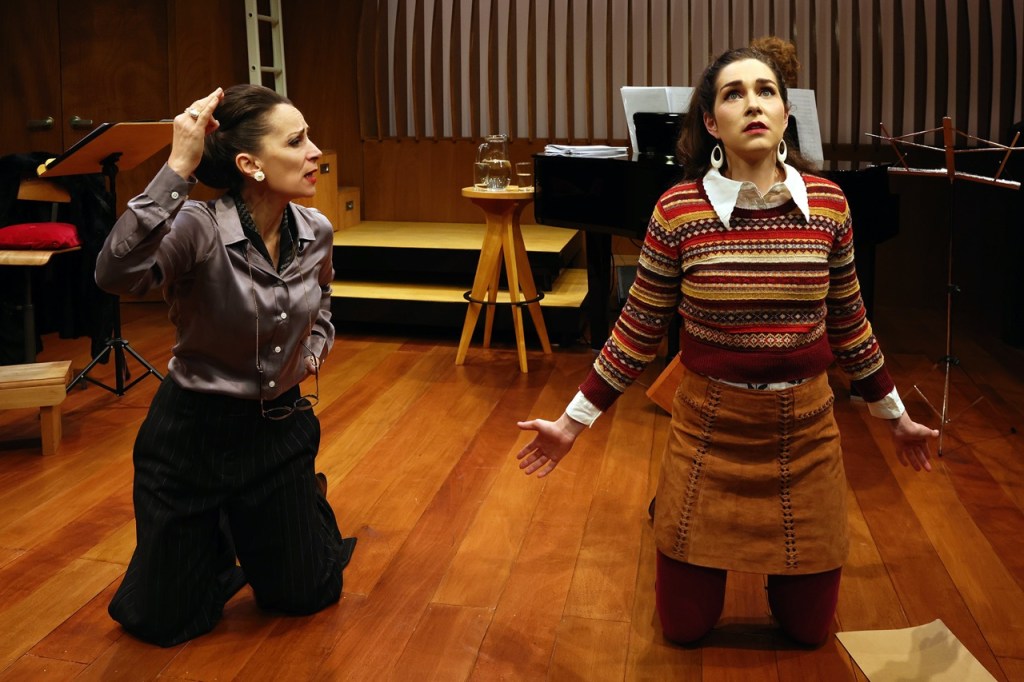
Don’t worry if you aren’t a fan of Callas or know her story, McNally lays out the important pieces in long monologues and dream sequences as Callas either lectures or gets lost in her own thoughts. These fantasy moments help break up the single location and allow us to get past the bluster and see more of the woman underneath. Her insecurities, her desire to be loved & appreciated and her grit are all laid bare.
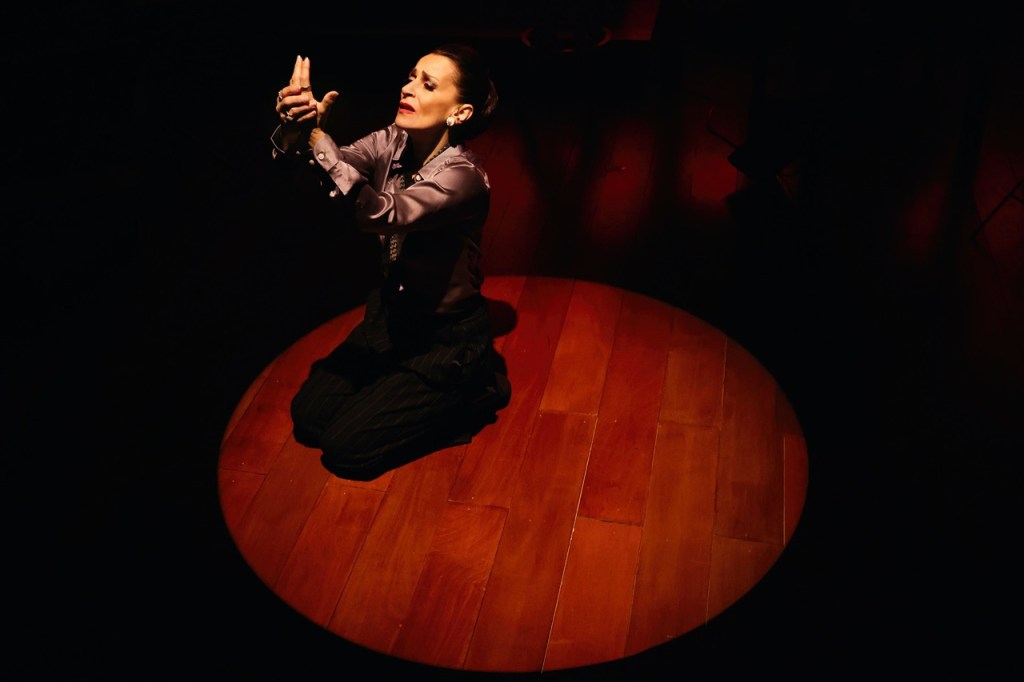
There’s an undeniably cathartic joy to watching horrible people be horrible to other people and much of the play is devoted to navigating Callas’ tricky attempts at delivering constructive criticism. Beneath the smile is a grimace, behind the eyes is disgust and she can not help but let the venom flow. The script enjoys taking swipes at other famous sopranos, especially our own Dame Joan Sutherland, which gets wry acknowledgement from the audience. All too often though this production settles for the easy laugh without the necessary emotional weight and character. Callas is a caricature of a passive-aggressive diva instead of a complex woman reconciling with her life.
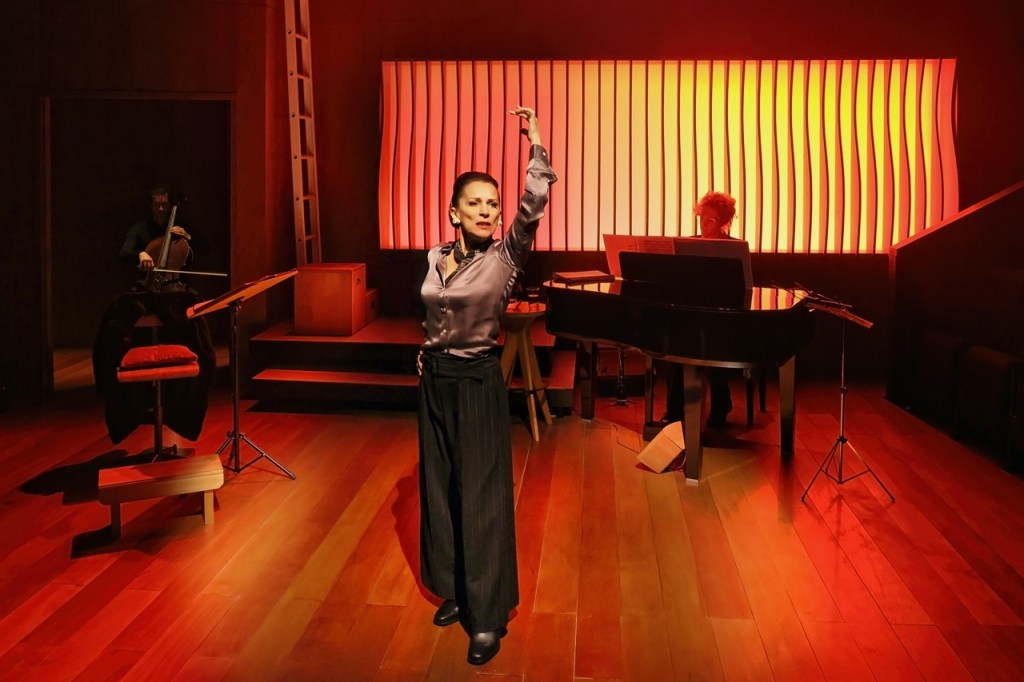
The first act sees Callas torment three students, the blasé Sophie De Palma (Bridget Patterson), the skittish Sharon Graham (Elisa Colla) and the overconfident tenor Anthony Candolino (Matthew Reardon). It’s always a dicey proposition to ask performers who excel at one creative form to stand on stage and act as well. Sure they can sing/dance etc, but can they actually act at a standard to match their co-stars? There is a reason the script for Master Class steers away from making Callas sing live on stage – finding a lead performer who can hold the stage for two hours AND sing like a world class soprano is a tough casting call. Not all the cast achieve this double act, with some stunning professional voices being undercut by hammy acting, with one clear exception.
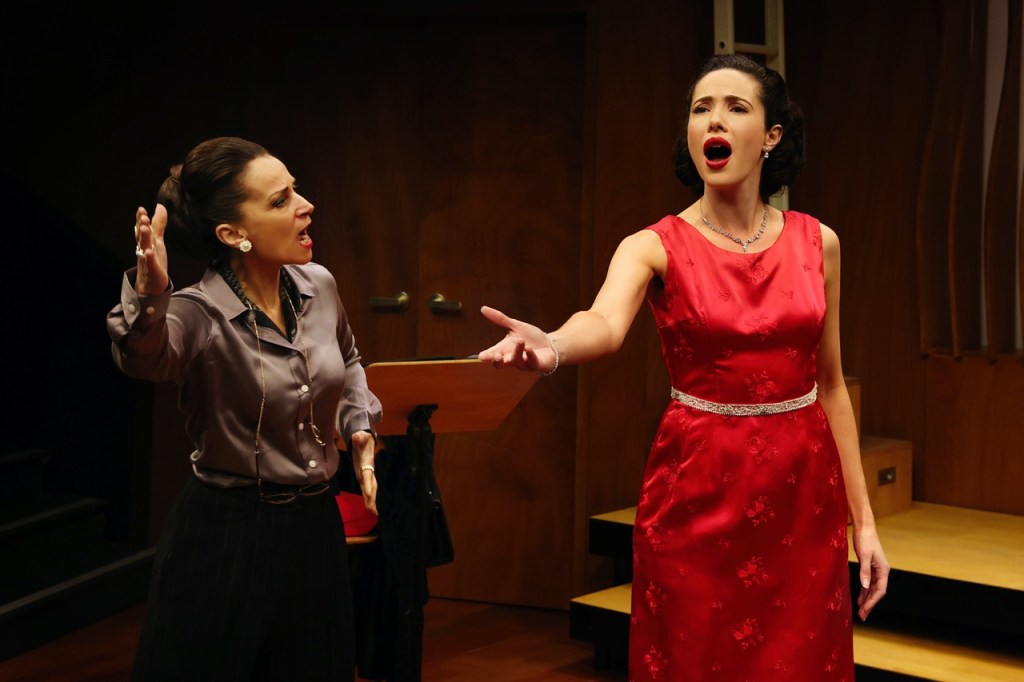
Musical theatre actress Elisa Colla is the real star of this show. With her crystal cut vocals and perfect comedy timing, she pitches the shy but plucky soprano Sharon at the right level. After some earlier moments that felt like they were running on autopilot, she takes the wheel. You can see her listen and react to her costars making the laughs organic and fresh. Her authentic subtlety makes the second act truly sing.
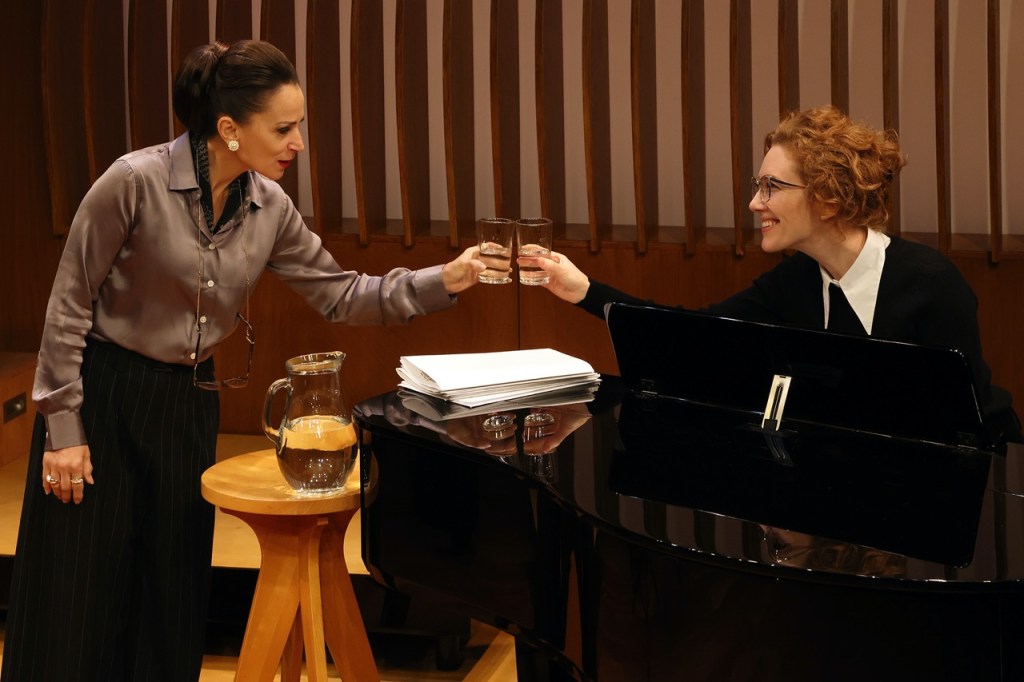
I’m not the first to say that Master Class, well, isn’t actually a very good play. It’s over long, heavy handed and not particularly funny. But it has always been an excellent showcase for a lead actress. Here Mastrantone gets to hold the stage and demonstrate just how magnetic she is, and she succeeds with ease, on top of this Colla’s supporting role is the icing on the cake.
 Cultural Binge
Leave a comment