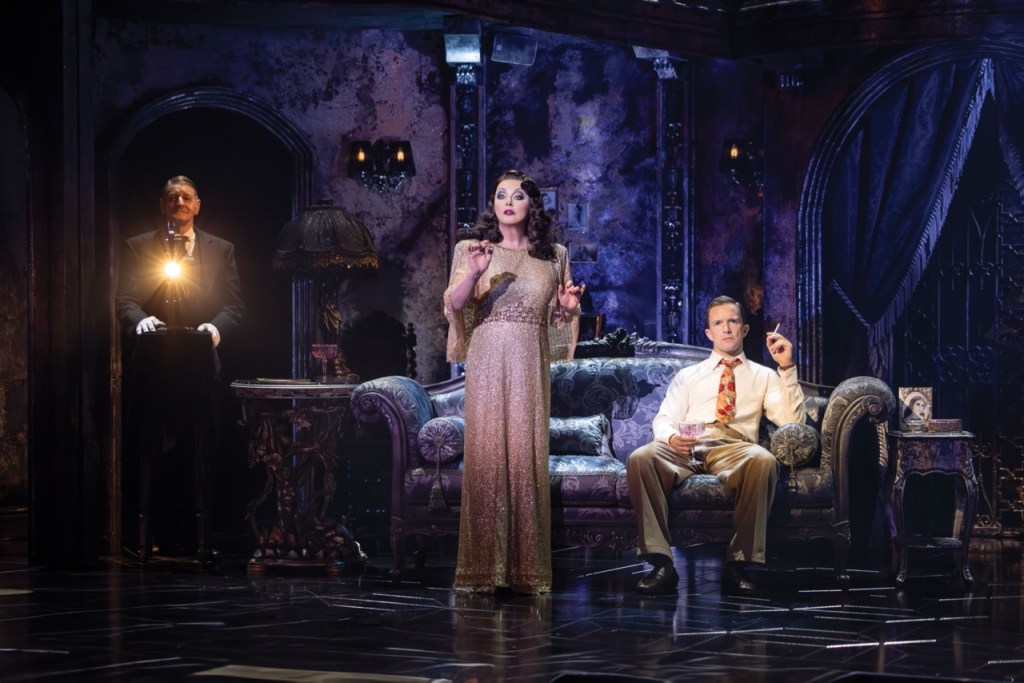
Music by Andrew Lloyd Webber. Book and Lyrics by Don Black & Christopher Hampton. Sydney Opera House. 28 Aug – 1 Nov, 2024.
Sunset Boulevard is big, it’s the other musicals that got small. There is an old world opulence and decadence to everything about this show, from the ornate set, the sumptuous costumes and the soaring score. Sunset Boulevard makes the other big shows in town (*cough*SisterAct) look like high school productions.
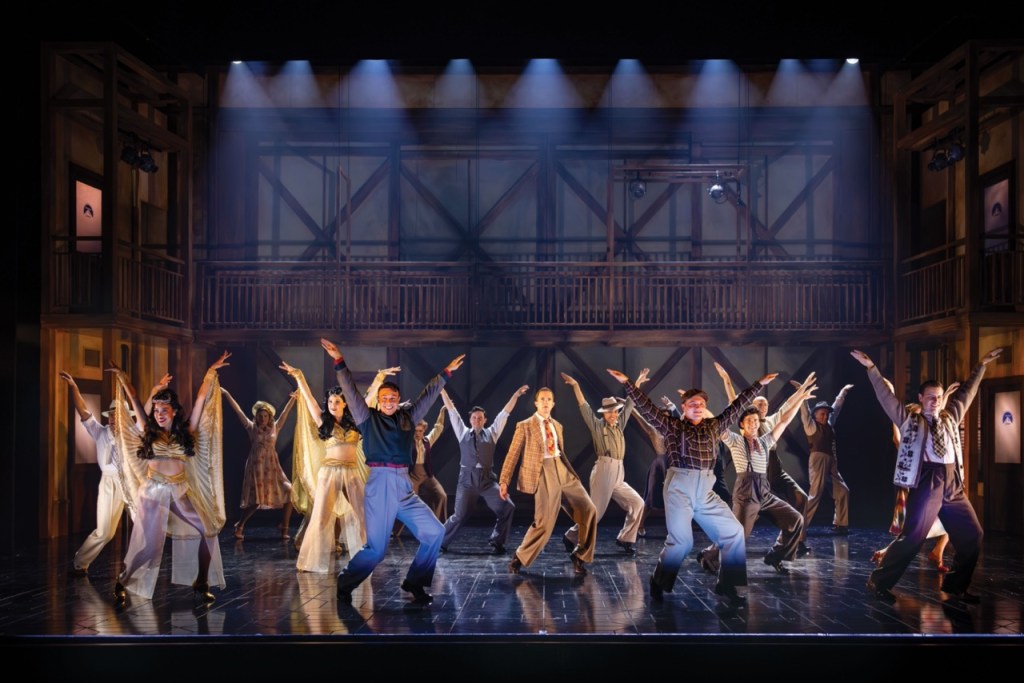
Screen-writer Joe Gillis (Tim Draxl), hiding from debt collectors, stumbles into the grounds of a faded Hollywood mansion. He’s shocked to discover former silent film era superstar Norma Desmond (Sarah Brightman, or Silvie Paladino if you prefer) lurking inside with her devoted butler Max (Robert Grubb). Desmond enlists the handsome writer’s help in working on a script she has written for her own return to the screen. Gillis moves into the mansion and settles into the life of a kept man, but when he meets an idealistic budding writer, Betty Schaefer (Ashleigh Rubenach) who manages to get underneath his cynical skin, he’s caught between a life of soulless luxury or youthful passionate creativity.

As I watched Sunset Boulevard I was half waiting for the moment I felt the disappointment many Melbourne critics felt. By the interval I realised it wasn’t coming. Yes, there is something desperately silly and ridiculous about the show but I was genuinely being swept up by the creaky old grandeur of a 30+ year old mega-musical. Over a glass of interval champagne, against the backdrop of the Harbour Bridge, watching Sydney’s finest dazzle in a sea of sequins, tight suits and tighter faces… It all suddenly made sense.
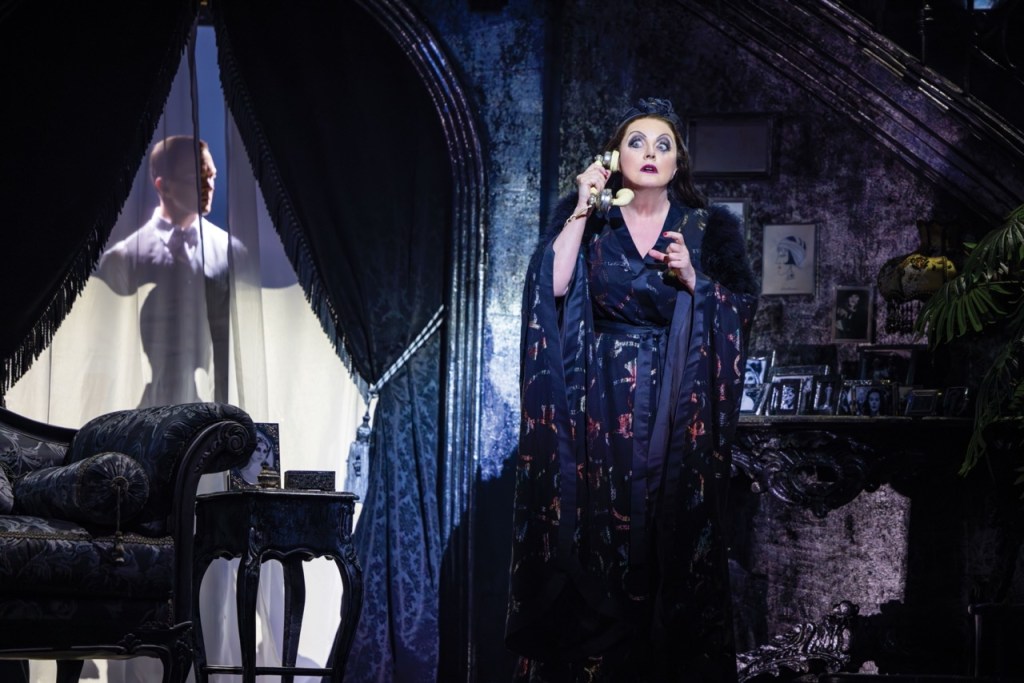
This is camp. True camp.
Not the gaudy, knowing “low camp” of something like RuPaul’s Drag Race (or the upcoming Titanique which I’m very excited about), but this is “high camp”. This is the camp of genuine love, unwitting eccentricity and whole-hearted folly. This is Grey Gardens (the documentary, not the musical). A Sontag/Isherwood-worthy piece of camp theatre. It’s taking itself very seriously but in doing so produces something more exhuberant. Sunset Boulevard is not making fun of its content, it is making fun with its content and playing on multiple levels.
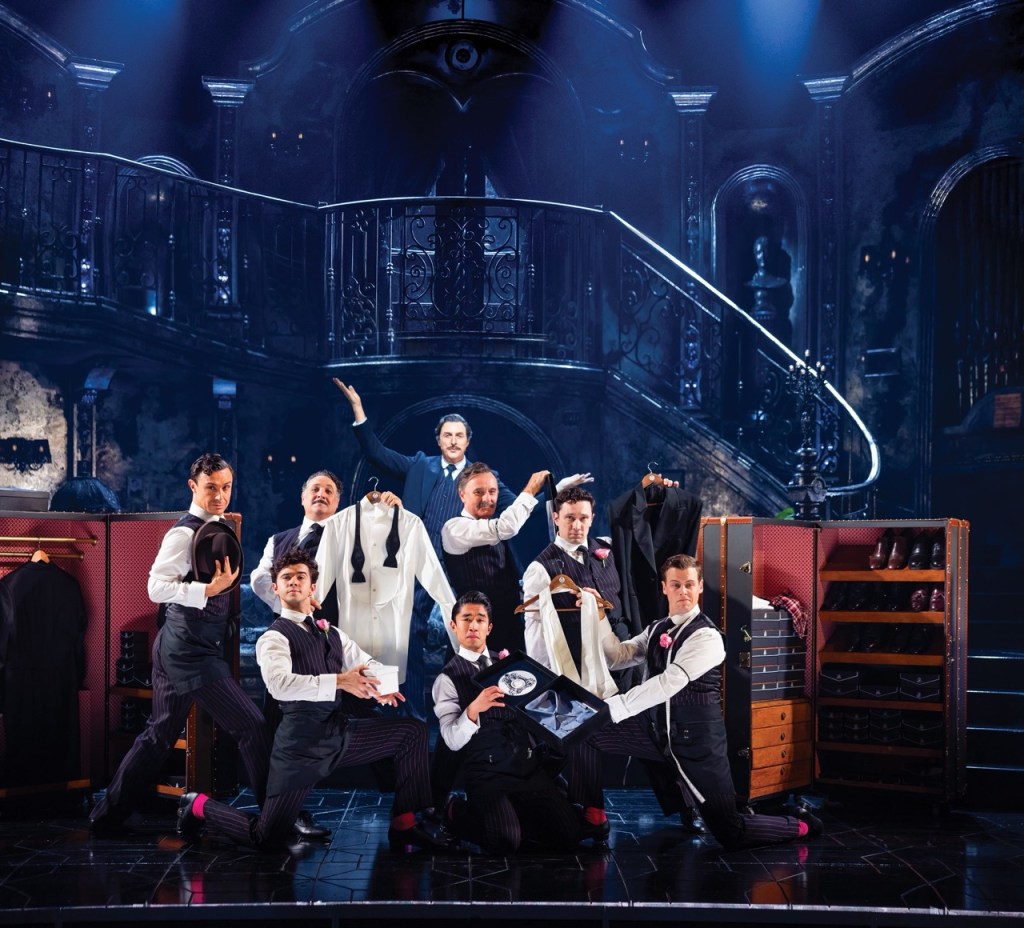
As a critique of creative industries, it’s pretty clear. Success can ruin you more than failure. While those at the bottom dream of their triumph “this time next year”, the iconic Desmond is a broken shell, hollowed out by a heartless industry that has discarded her once her star started to fade. Gillis is just trying to survive in the battle between art & commerce, where commerce always wins. Desmond and Gillis cling to each other as codependent life rafts.
The meta-narrative around this production is even greater. Casting Sarah Brightman makes total sense on paper. From her long and deep connection to Lloyd Webber’s career, her status as a theatrical superstar staging a return (don’t call it a comeback), and the fact the set includes an organ on a grand staircase. When Desmond snaps at Max to stop playing the organ, a knowing snicker moves through the stalls. All the discussions of hallowed film studios like Fox (long since absorbed by Disney) and Paramount (in the process of being sold once again) remind us that the whole film industry would suffer the same fate as Norma herself, with the great studios often being put out to pasture.
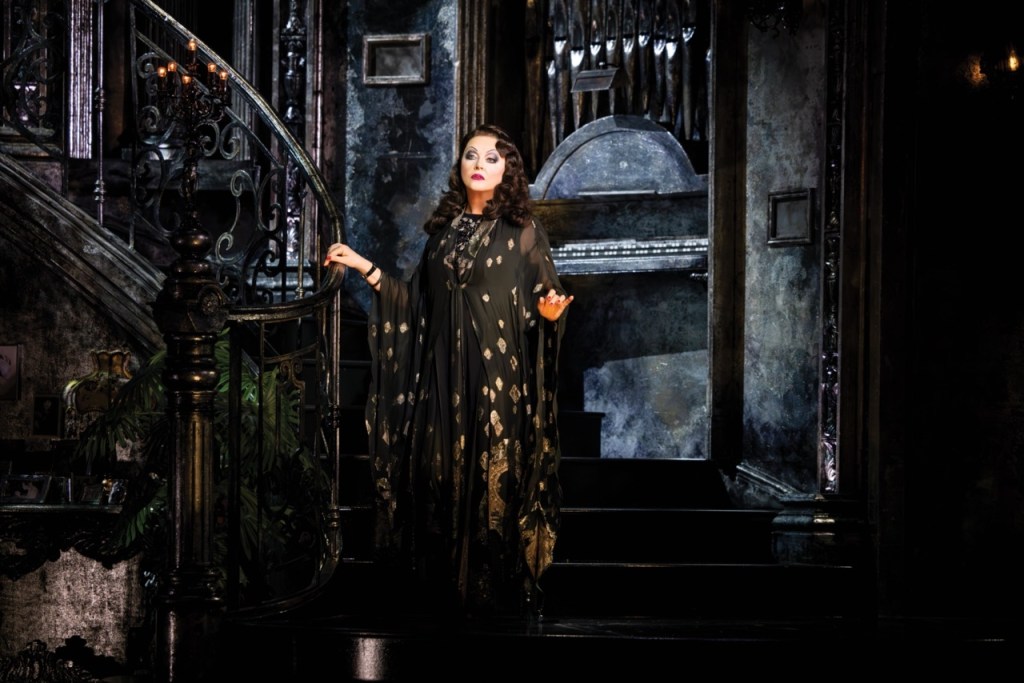
Brightman’s performance channels the over-the-top melodrama of the silent era that would inspire drag queens for generations to come. With Brightman it completes the loop and comes back where it was meant to be. However it lacks the nuance required to make us invest in Norma’s plight. In terms of the music, she is ultimately miscast. Her operatic vocals fight with the musical theatre score, lacking the necessary sharpness and speed of delivery. At times it sounds as if she’s not singing any consonants. Brightman devotee’s will find a lot to love, but I was left wanting more.

Tim Draxl is not just a triple threat, he’s a veritable six-pack of talent as Joe Gillis, the actual leading part of the show. Draxl’s incredulous reactions are key to making the show work, as the rough-edged Gillis is thrown into a world of obscene wealth.
There is only one knowing acknowledgement of the production’s camp aesthetic in the whole show and Draxl sells it expertly. He sings the titular anthem shirt open, instagram-thirsty body on display. The moment is the show relaxing, smiling at the crowd and saying “okay, fine, you can have this one” before returning to the dark, gothic glamour. It’s completely wrong for the role of a washed up, struggling Hollywood writer, but totally right for this queer-coded cornucopia of excess. The fact that it happens during a notoriously difficult song (full of fast lyrics, minimal space for breathes and a big belting final note) that lays out his entire motivation while summing up the whole show, is simply genius. It’s camp.
And spare a thought for poor Ashleigh Rubenach who is excellent in the show’s most underwritten character, the idealistic writer Betty Schaefer. It’s the thankless role of “the girl” in an old musical. Exactly the kind of part she got to skewer as Nancy in Groundhog Day which Rubenach did so well in Melbourne. Betty is quite literally a brief diversion, just a detour (off Sunset Boulevard), on the journey of some man.
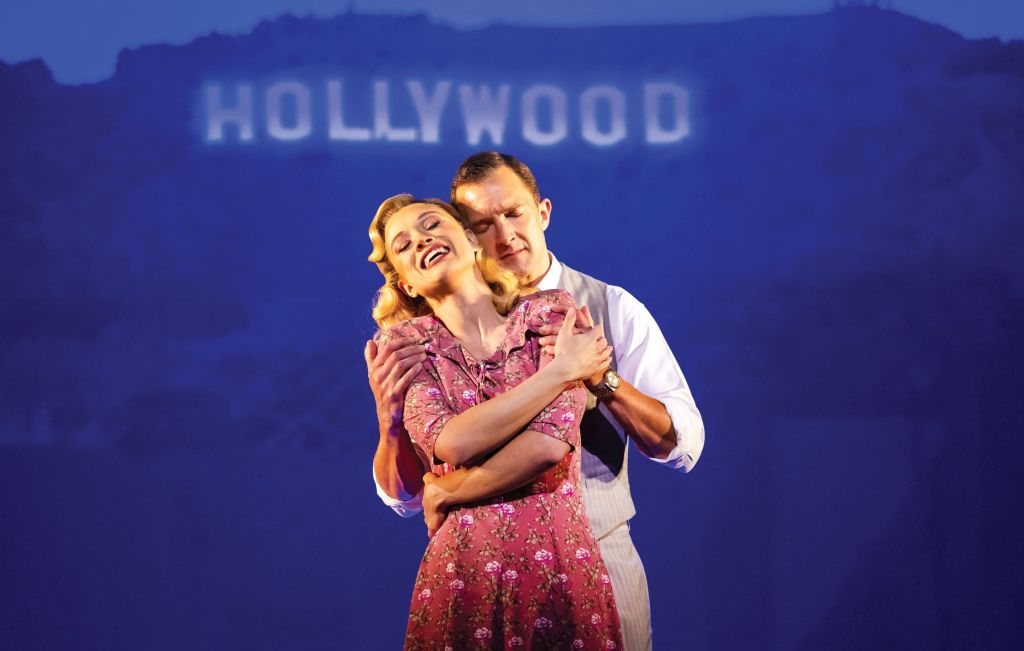
Director Paul Warick Griffin has produced a tight show with attention to details. There are choreographic flourishes in the scene changes that keep things flowing and never let you forget that this is the heightened world of a musical. Ashley Wallen’s choreography gets to shine in “The Ladies Paying” but his impact is felt in all the movements of the cast. Mark Henderson’s lighting works with Morgan Large’s intricate set to pull new emotions and vistas for each scene. When the full cast and orchestra belt out “This Time Next Year”, the Opera House reverberates. It’s the kind of all-encompassing moment you want from a musical.
The other spectre hanging over this production is the Olivier Award winning reinvention of Sunset Boulevard that has wowed British audiences, made popstar Nicole Scherzinger into a bona fide theatre powerhouse and is about to hit Broadway. Where our local production is operatic and indulgent, director Jamie Lloyd has stripped his production back to its core. I’m hoping to see it next month, so I’ll report back then but London friends and critics adored its simplicity. Finger’s crossed we get it here. If we can have two productions of Phantom of the Opera in quick succession in 2022, why not Sunset Boulevard?

Sunset Boulevard is one of the first cast recordings I ever bought with my own money back in the early 90s. The clunky double CD set is sitting in a box in the cupboard right now. It is one of my favourite Lloyd Webber scores, just behind Phantom of the Opera and Jesus Christ Superstar. So I’m basically the core demographic for this show, and I loved it.
PS: I’ll be back to see this production again just to see Silvie Paladino play Norma.

 Cultural Binge
Leave a comment