
Written by Melanie Tait. World Premiere. Ensemble Theatre. 6 Sep – 12 Oct, 2024.
There is a clarity and assuredness to The Queen’s Nanny, Melanie Tait’s new play at Ensemble Theatre, that makes for a thoroughly engaging watch. This is comfort food, as many stories about the British Royal family are, that fits neatly into the world of The Crown, The Queen, The King’s Speech and The Audience (and presumably other British stories starting with ‘The’).
Marion Crawford (Elizabeth Blackmore) sits by her window and watches the cars go by, waiting for the woman she raised to stop for tea. Despite sacrificing her own career and family ambitions to educate an eventual monarch, Queen Elizabeth II, Crawford (or “Crawfie” as she was known) was expelled from royal society. Her sin? Writing a benign memoir of her time as the nanny to the children of the then Duke and Duchess of York. It would make her a best selling author and the first “royal commentator”, but would never replace the loss of the relationship that defined her.
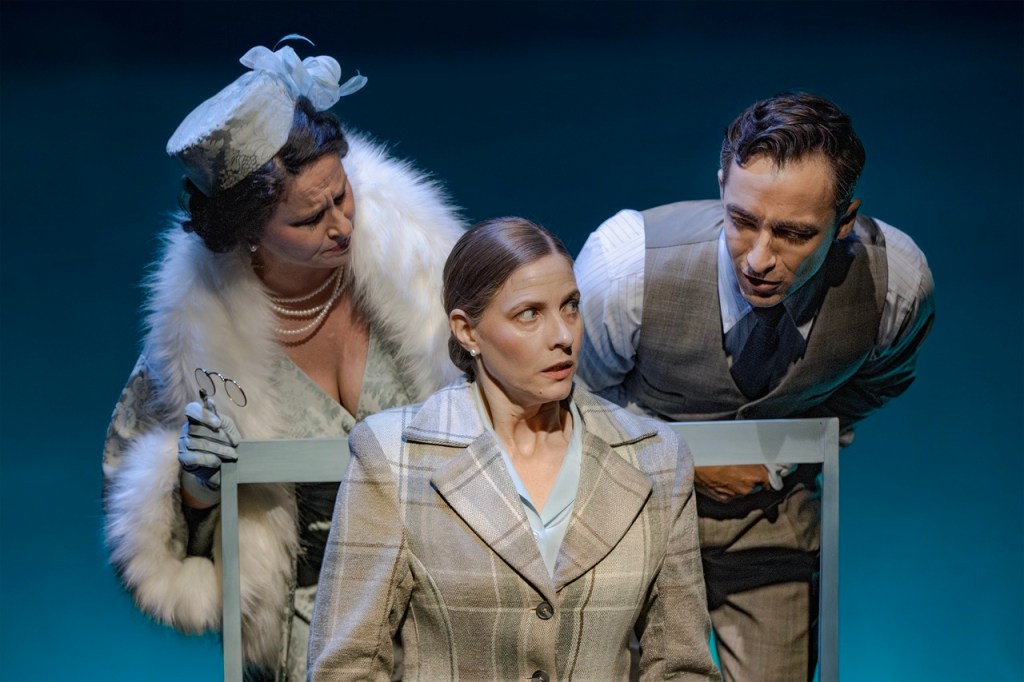
The more I think about The Queen’s Nanny, the more it makes me smile. Playwright Tait has fine tuned the script into an engine of stoic heartbreak, filled with tiny moments of grace. Under the direction of Priscilla Jackman, recurring motif’s trip lightly through the auditorium. While the presentation is at times deliberately arch, there is an unforced and unfussy confidence to the production.
From the moment you enter the theatre and look down onto the sparsely dressed set (Michael Hankin has transformed the theatre into a clean dream-like space) you know this isn’t your standard drawing-room drama. Music and sound by James Peter Brown fill the space, as does the evocative lighting by Morgan Moroney. For a show that could sound stuffy on paper, the staging is refreshing and contemporary.

Elizabeth Blackmore’s Crawfie is an exercise in restraint. The big emotions surge behind her eyes, held back by her professional demeanour. A spirited free thinker in the midst of a rigid structure of hierarchy, her compassion and love of the children given to her care overrides her personal life. She believes, in caring for the young Lilibet (who would unexpectedly be thrust up the line of succession by the abdication of her Uncle Edward) that she was doing something “important”. As the older Crawfie watches the royal motorcade drive past her home, she is both proud of the woman Elizabeth became, and saddened by the loss of their intimacy.

Emma Palmer gets to be both camp-posh and cut-throat as Elizabeth, Duchess of York and the Queen Mother. She takes her from entitled “fun mom” through wars and coronations to the “betrayal” of Crawfie with finesse as the foppish mannerisms give way to a backbone of steel.
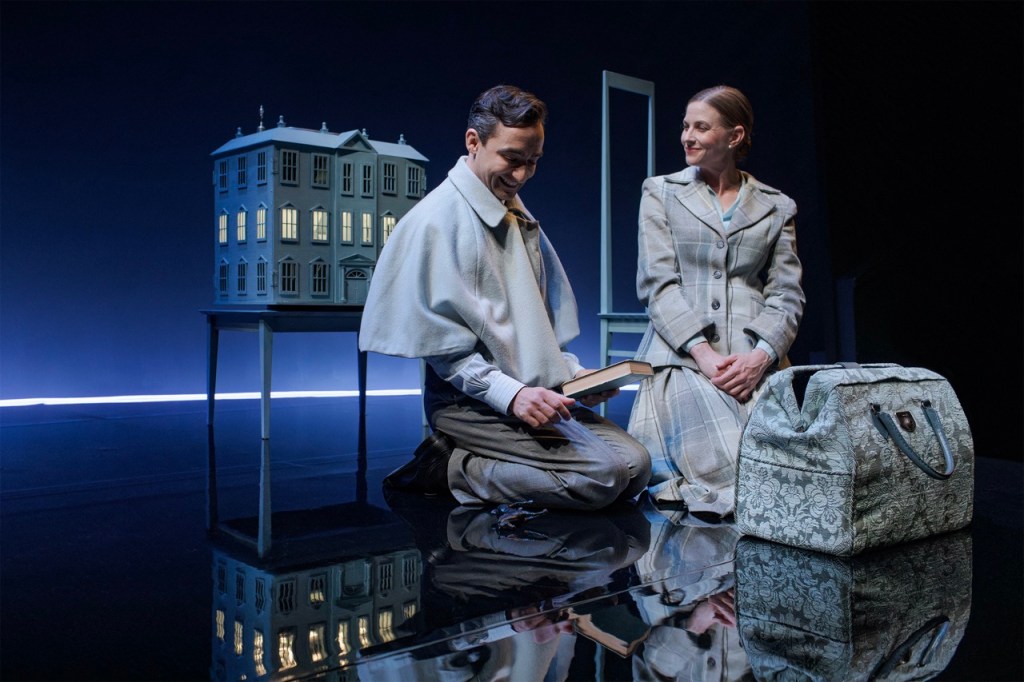
But it’s Matthew Backer who almost steals the show as… well everyone else. Backer seamlessly slides between roles as narrator, butler, Duke, publisher and even the young Lilibet with such authenticity he manages to never lose the emotional tone. It’s quite remarkable that we are still deeply invested in the core relationship between Crawfie and Lilibet, even though the child is played by a grown man. Backer is less putting on a character, than letting his own inner-girl out – there is a conviction powering each role. The gentleman behind me let out an unforced “oh, he’s good” after the second character switch, and I couldn’t agree more.
After laying the groundwork of the relationships and world, the play skips lightly over some of the drama in the third act which left me wanting more. As Crawfie refuses to elaborate on her own feelings at being cast aside by the royals, Tait chooses not to speculate. It’s an admirable choice for the sake of accuracy, but threatens to pull the rug from under the emotional work that had been done in the lead up. We are left facing a wall of British reserve, a stiff upper lip, and our imaginations need to fill the gaps.

There is an impulse to put our own thoughts about royalty and republic onto The Queen’s Nanny. Tait herself says as much in her writer’s note. But this play is less interested in commenting on the anti-democratic aberration that is hereditary monarchy than looking at a unique heartbreak. Marion Crawford’s story is not a happy one, but Melanie Tait has threaded the needle between sensationalist drama and cosy character study with the skill of a master seamstress.
 Cultural Binge
Leave a comment