
Based on Richard II, Henry IV p 1&2, Henry V, Henry VI p 1,2 & 3 and Richard III by William Shakespeare. Adapted by Damien Ryan. Seymour Centre. 26 Mar – 5 Apr, 2025.
Gird your loins for the theatrical event of 2025! Sport For Jove has thrown down the gauntlet by presenting Shakespeare’s eight-play historical cycle of kings in two abridged parts, each lasting just over 4.5 hours, showcasing the sweeping forces of politics and personal enmity over generations. It’s like a “greatest hits” compilation of people named Richard and Henry (or Harry or Hal).
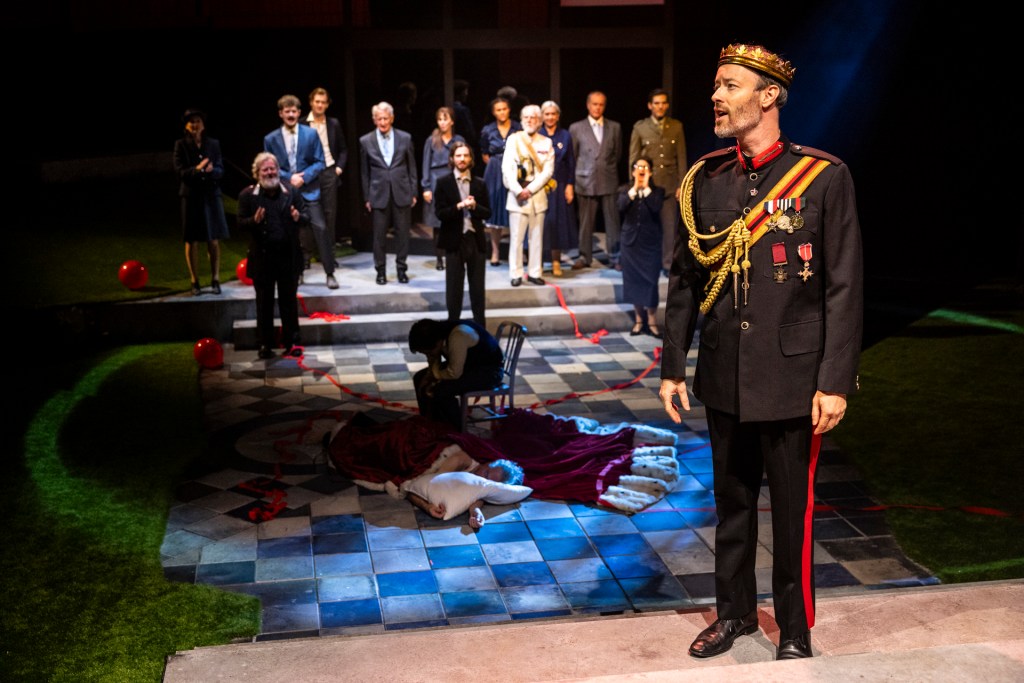
We live in an age of monster-sized, IMAX-scale theatre. Post-Angels in America, post-The Inheritance, post-Harry Potter & the Cursed Child (two-part version), the idea of sitting through a marathon nine hours of Shakespeare in one day feels surprisingly normal. He was no stranger to multi-part stories himself. I can survive multiple international long-haul flight; surely my bladder and lower back can handle this, right?
What’s nine hours, after all? If you binge Friends you’ll have only just finished the first season by then (poor Rachel). It’s basically the length of a flight to Thailand. You probably spend as much time sitting at your desk on a regular workday. So, armed with theatre-loving optimism, a refillable water bottle, and some Uncle Tobys muesli bars (just in case), I walked through the rain to see what Sport For Jove had in store.
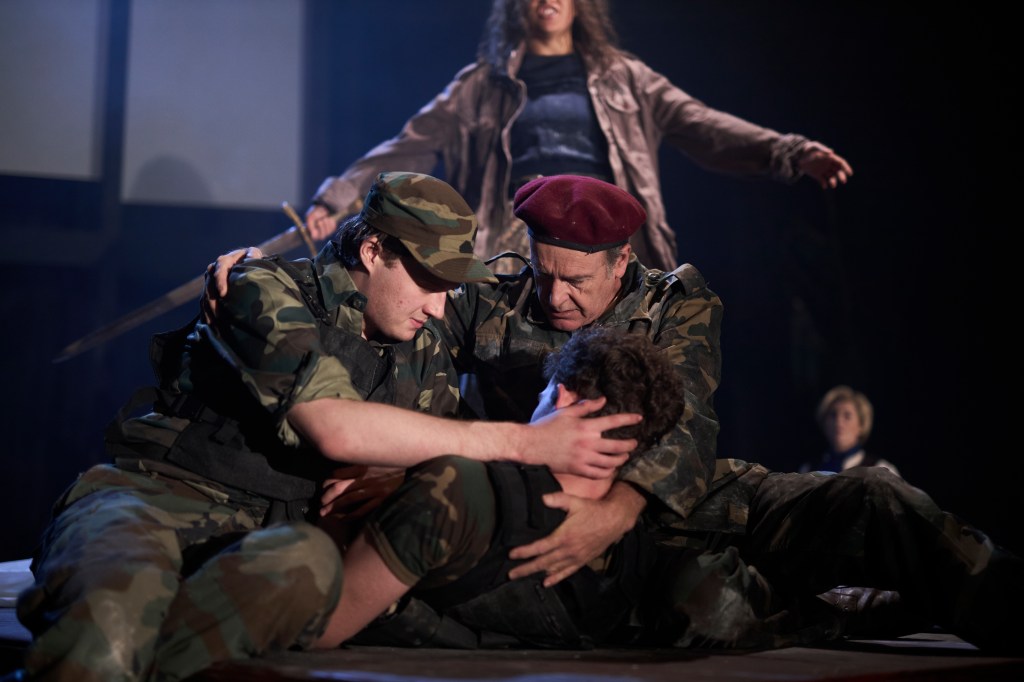
Let’s begin by acknowledging the sheer technical and creative feat of this production. Reducing each play to around 70-90 minutes while preserving its plot and language, staging this many scenes, and having actors learn vast amounts of dialogue across multiple roles — it’s a remarkable achievement of artistic faith and endurance.
The fact that it’s genuinely excellent is the icing on the cake.
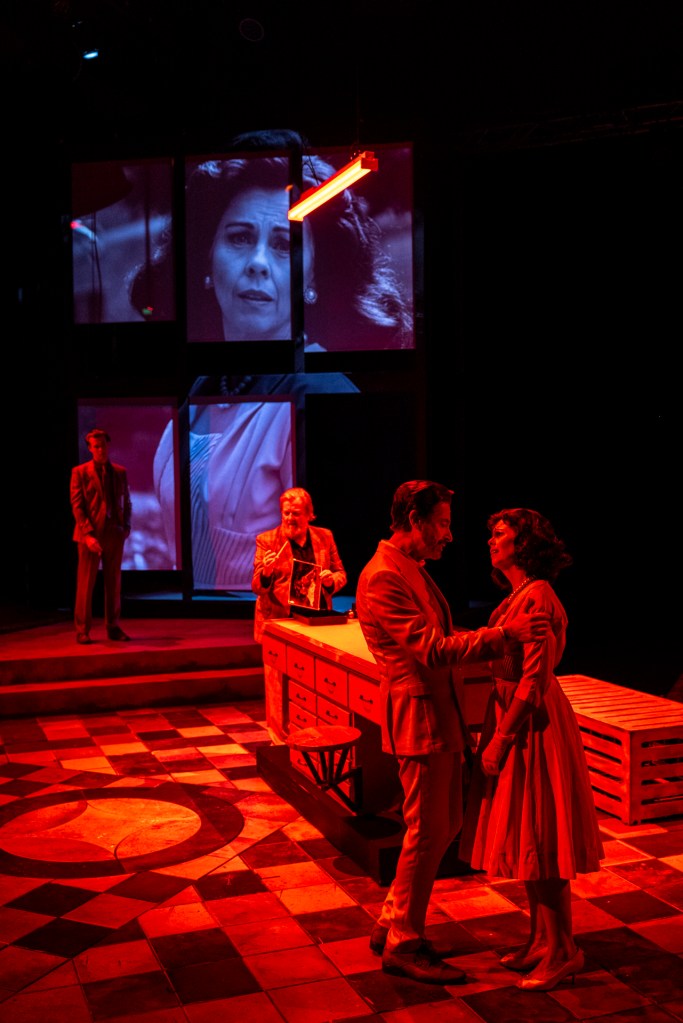
Over the course of six chapters (each roughly spanning a king’s rise to power), we get drama, political thrillers, comedy both broad and subtle, and action. This variety keeps the plays moving at a mighty pace. Under Sport For Jove Artistic Director Damien Ryan’s direction, each scene serves a clear purpose, each play has a distinct visual style, and each character feels uniquely crafted. The clarity of the storytelling grows more impressive as the day/evening goes on. The creative energy is powerful enough to drive the company through this herculean endeavour.
By performing these stories back to back, the focus shifts from the individual plots, marriages or murders; to the cyclical nature of “eat, sleep, dethrone, repeat” throughout history. This zero-sum mentality of power (“When you play the game of thrones, you win or you die. There is no middle ground” — to borrow a line from another author) seems deeply ingrained in our systems of leadership. Shakespeare wasn’t concerned with chronicling historical realities; the plays are riddled with inaccuracies and fictions. Instead, they highlight how “society” does little to mask or heal our animalistic human nature.
Damien Ryan touches on this in his director’s note: “We are chasing an illusion of power in a world where everything disappears… we watch them learn the hard way that futility is their guiding star, and that their identities are simply and only human.”

An unspoken element rises to the forefront in the cycle’s sixth and final chapter, Richard III — the rise of revolutionary populism. After generations of entitled elites infighting and waging wars, treating the public as cannon fodder, a political outsider aligns with the masses to tear it all down, with no regard for what follows. Is Richard III’s murderous rise the inevitable result of a broken system? What can we learn from the final moments, as the old system reasserts itself with yet another victor slaying another king? Can we ever find peace?
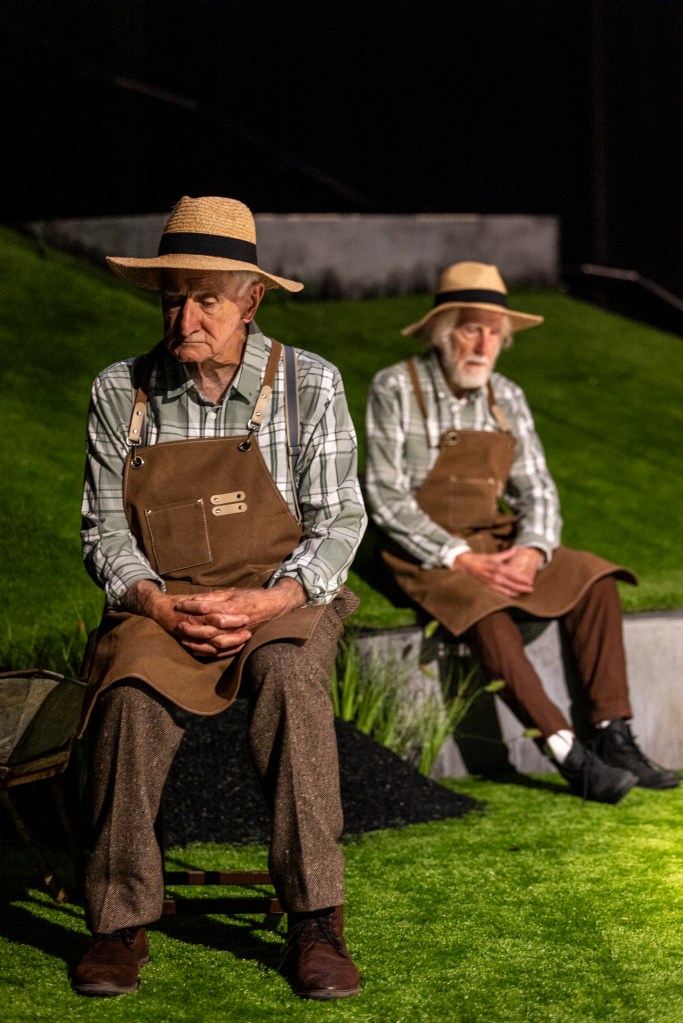
It’s near impossible to single out cast members, as they form a seamlessly perfect ensemble, but as we know, pairing Peter Carroll and John Gaden together always impresses and amuses. Gareth Davies and Sean O’Shea swap crowns repeatedly, playing younger and older versions of various monarchs with precision, drawing thoughtful parallels between them, and an extra round of applause must go to the multitalented Jack Mitsch (last seen at the Seymour in The Inheritance), who pulls triple duty as composer/live musician, scoring the entire nine hours alone from the gantry, while also playing various smaller roles on stage and even serving as an unexpected swimwear model.
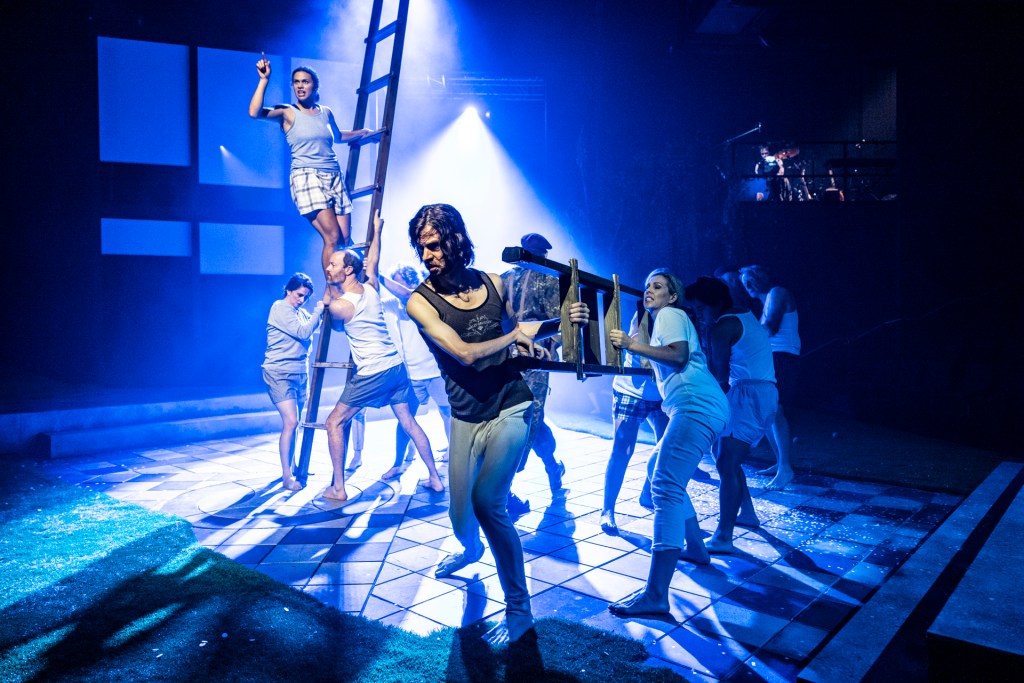
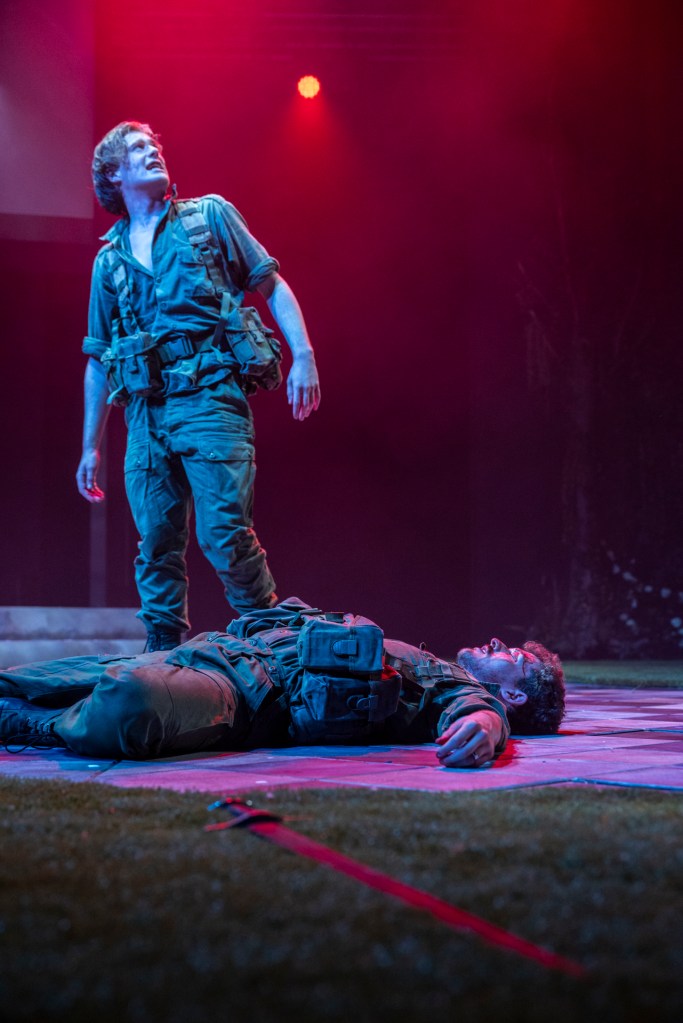
Kate Beere’s stage design is a wonder, balancing the many needs of the multiple stories. With Matt Cox’s dynamic lighting and the help of three costume designers (Beere, Ruby Jenkins, and Lily Moody — each taking on two chapters), the visual variety remains fresh and engaging. Director Damien Ryan has also woven moments of lightheartedness throughout to balance out all the severed heads, and there are quite a few severed heads (amazing prop work). The entire production works hard to fend off any sense of boredom — and it succeeds.
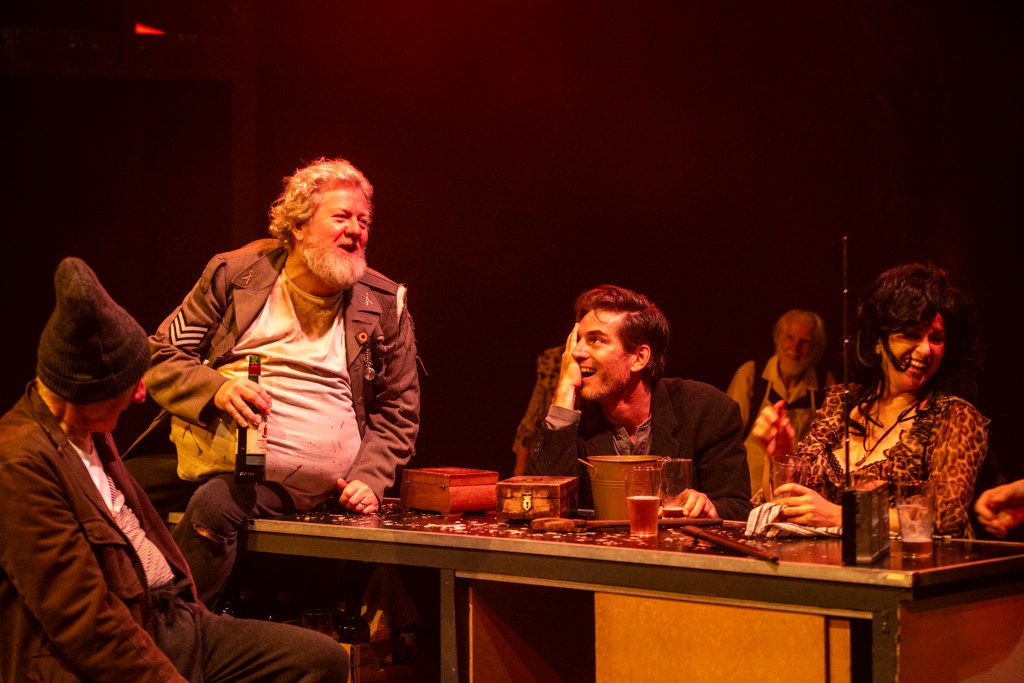
Personally, I found Part One to fly by with a speed and energy that made the nearly 5-hour running time (it ran over) feel much shorter. I’ve sat through 90-minute plays that felt longer than this. While Chapter 1 (Richard II) served more as a prologue, it was in Chapter 2 that the show really showed its variety as the cast took on new roles with vigour. Going in, I feared we might get stuck in a “perpetual second act,” as each chapter rolled into the next. While the plays have been reduced and their dramatic arcs feel truncated, each chapter feels like it’s building toward a larger moment or message.
Things felt less assured in Part Two, leading me to worry that it was slightly under-rehearsed compared to Part One or that fatigue had begun to set in. It wasn’t until around 9 pm, 10 hours after I first sat down, that I started to feel the strain of the day. It may be my own wavering attention or over-familiarity with the play, but Chapter 6 (Richard III) didn’t have the same impact as earlier installments. Some over-amplified dialogue didn’t help, making Richard feel artificial compared to others on stage.
So, after a thousand words, let me address a few things head-on.
Is The Player Kings too long? No. The Player Kings reframes the original plays, not as individual narratives, but as a durational work — and you approach such pieces differently to regular plays. The most interesting thing for me happened in the foyer between chapters. As day turned to evening, the audience began talking during the breaks. Now that we were all familiar faces on a shared journey, we joked about how much time was left, wished we’d gotten a coffee, regretted getting a coffee, or tried to do corridor yoga to loosen our joints. By the end, elated by the experience, we joked about getting home to our beds. A mini-community had formed, which was lovely.
And the length is kind of the point. It’s not about who-stabbed-who, but “why do we keep stabbing each other?”
Will you get confused with all the names, places, and people? The show’s programme includes a family tree, as well as a mini-synopsis of each part — definitely worth reading beforehand. With so many characters sharing the same name, and much of the plot depending on genealogies, it’s easy to lose track. But Sport For Jove has anticipated this and made it as simple as possible.
Is it worth sacrificing a day (or two long evenings) to see? Oh, God yes (depending on how much you like Shakespeare). Don’t worry, this is “good Shakespeare.” You won’t get lost in the language; the cast knows exactly what they’re doing. It’s fast-paced and entertaining despite its length. Plus, you’ll probably never have the chance to see these plays like this again — it’s a unique event. And you’ll have major bragging rights for having seen it.
Any other practical tips? The seats in the York Theatre are much more comfortable than the torture devices downstairs in the Reginald. I was lucky enough to have an aisle seat (and a spare seat next to me) so I could stretch out as needed. Being on the aisle also gave me an advantage in the “race to the loo” during intervals (ladies, you’ll want to move quickly). Dress for comfort. Go easy on the alcohol. Basically treat it like you would a long-haul flight, neck pillow optional.
The Player Kings is an astonishing achievement in theatre. This isn’t “eating your theatrical vegetables,” but a lavish degustation menu of Shakespearean delights. After a few years of Bard-fatigue, Sport For Jove has reignited my love for Shakespeare.
 Cultural Binge
Leave a comment