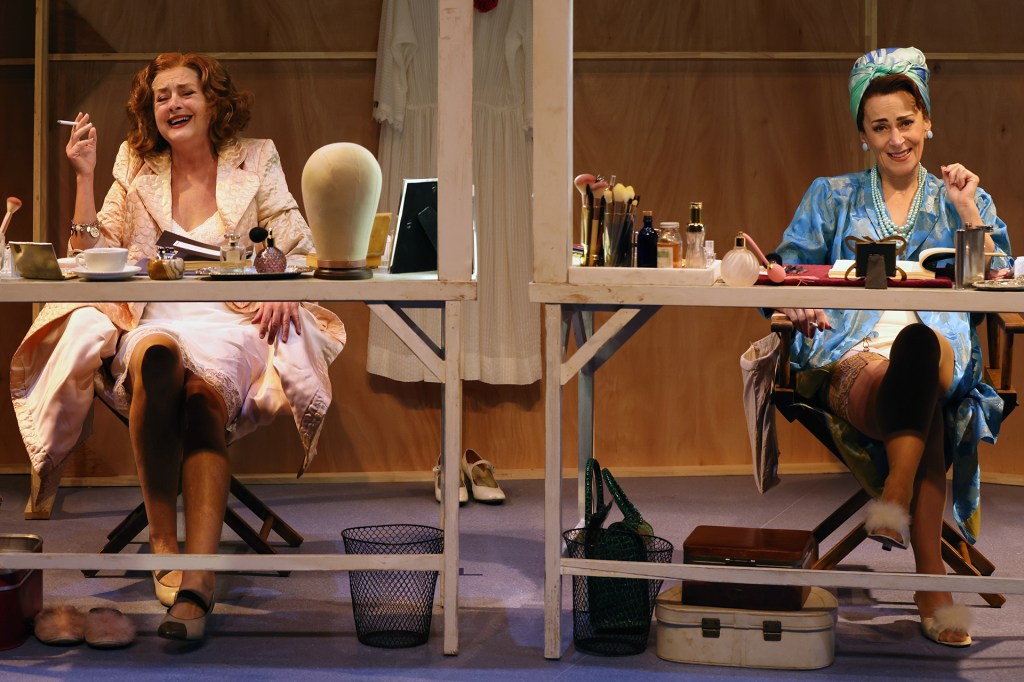
Written by Anton Burge. Australian Premiere. Ensemble Theatre. 20 Mar – 25 Apr, 2026.
As cinematic rivalries go, the feud between Bette Davis and Joan Crawford is the stuff of Hollywood legend: two icons of the screen, used and ultimately abandoned by the same industry that made them. So why is a play about these two dynamic powerhouses so static?
Set during the filming of cult classic What Ever Happened to Baby Jane? (their only on screen appearance together), Bette & Joan is primarily a string of duelling monologues taking us into the minds of two stars fighting to stay relevant. The play’s isolating structure and peculiar lack of dramatic momentum mean too much of the first act feels like an animated Wikipedia entry or public reading of their memoirs.
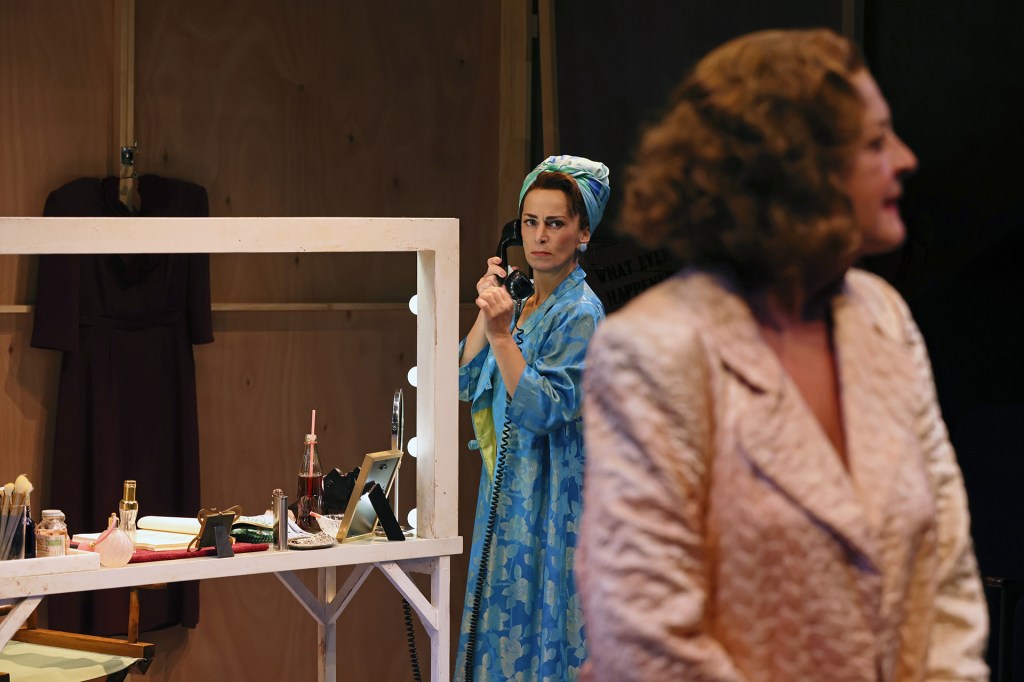
There are moments of camp, but the tension between the pull to be a bitchy comedy and the real human drama is never really resolved. The pranks the women play on each other to gain the upper hand are diverting, but they don’t generate genuine tension. Playwright Anton Burge attempts to let us into their psyches to glimpse the real women beneath the mythology: ageing actresses grappling with an industry that had discarded them, forced together out of sheer desperation.
Things pick up considerably in the second act, where an extended drunken scene between the two finally allows the relationship to breathe — but even then it doesn’t quite ignite. Those waiting for fireworks might have to settle for hearing them go off across the harbour at the open-air Phantom of the Opera.
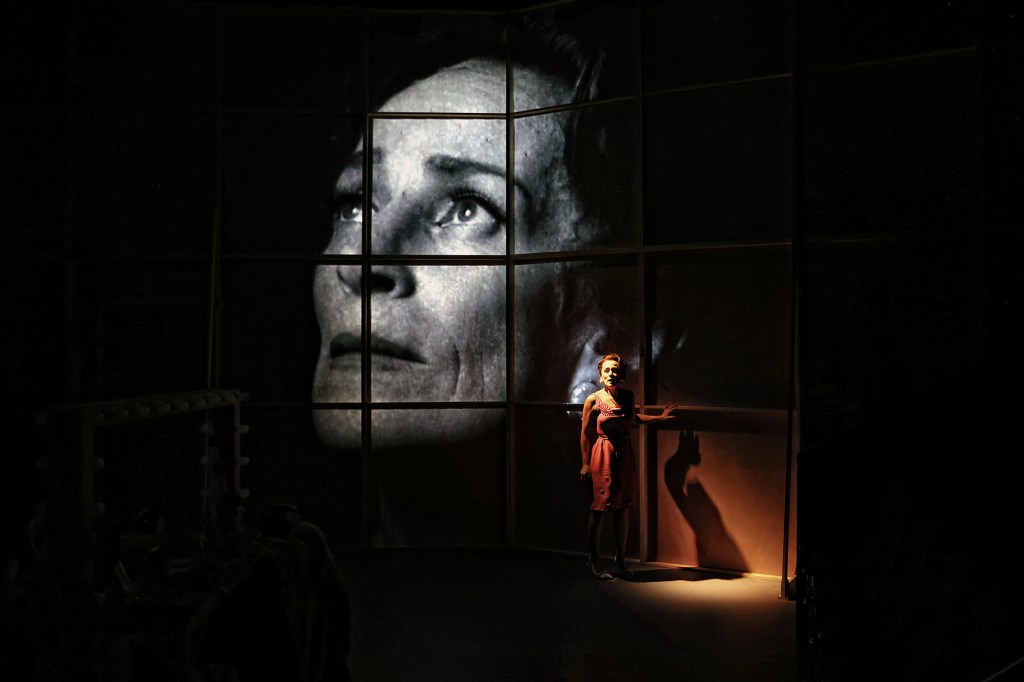
Director Liesel Badorrek works hard to animate the biographical monologues, reframing some as pre-recorded interviews projected onto the set — at times having the performers react to their own projected selves. It is a visually inventive device, and Cameron Smith’s video design gives the production a flair that the text alone doesn’t always provide. But it can’t quite overcome the inertia of Act One.
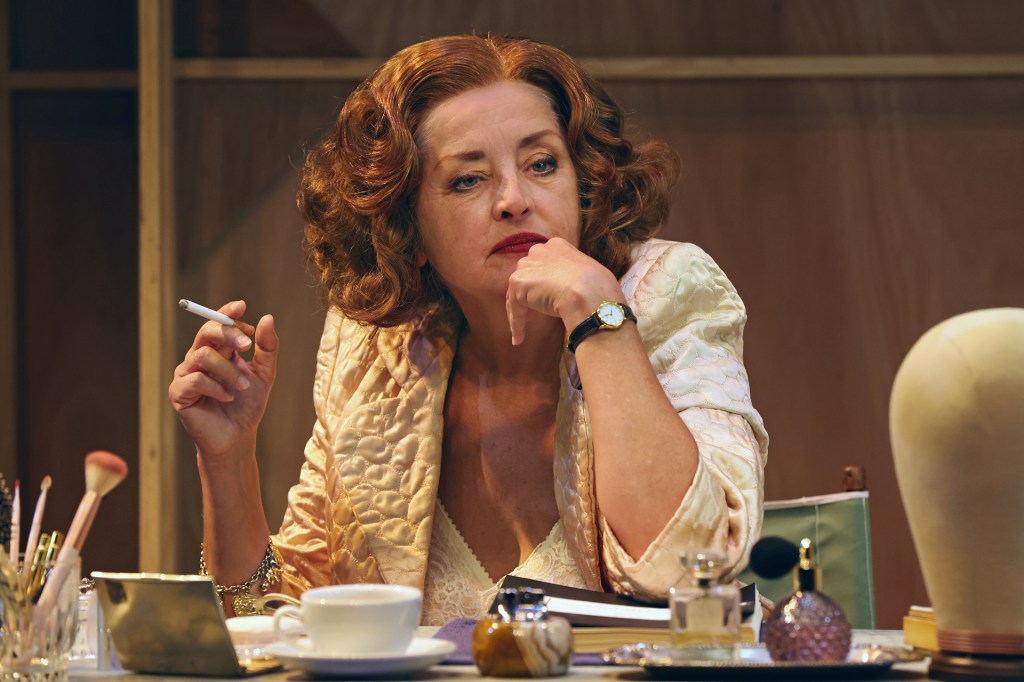
Thankfully, there are two formidable actresses on stage to bring the material to life. Lucia Mastrantone brings real silver-screen majesty to Joan Crawford — a woman determined to be seen, at all times, as a star. As Crawford herself put it: “I never go outside unless I look like Joan Crawford the movie star. If you want to see the girl next door, go next door.” Mastrantone understands that Crawford’s famous fragility was the fuel — the engine that drove her relentlessly upward.
Against her, Jeanette Cronin brings a wry, combative energy to Bette Davis — a working actress with no patience for glamour, savage wit on full display, and every intention of being taken seriously, and paid accordingly. She is the “real actress” to Crawford’s “movie star”.
The casting of these two together is wonderful: both women understand instinctively how their characters use very different instruments to achieve the same ends. When they share the scene, the production crackles. Left alone with the monologues — as they are for most of the evening — the alchemy is lacking as they are occasionally reduced to solo impersonations.
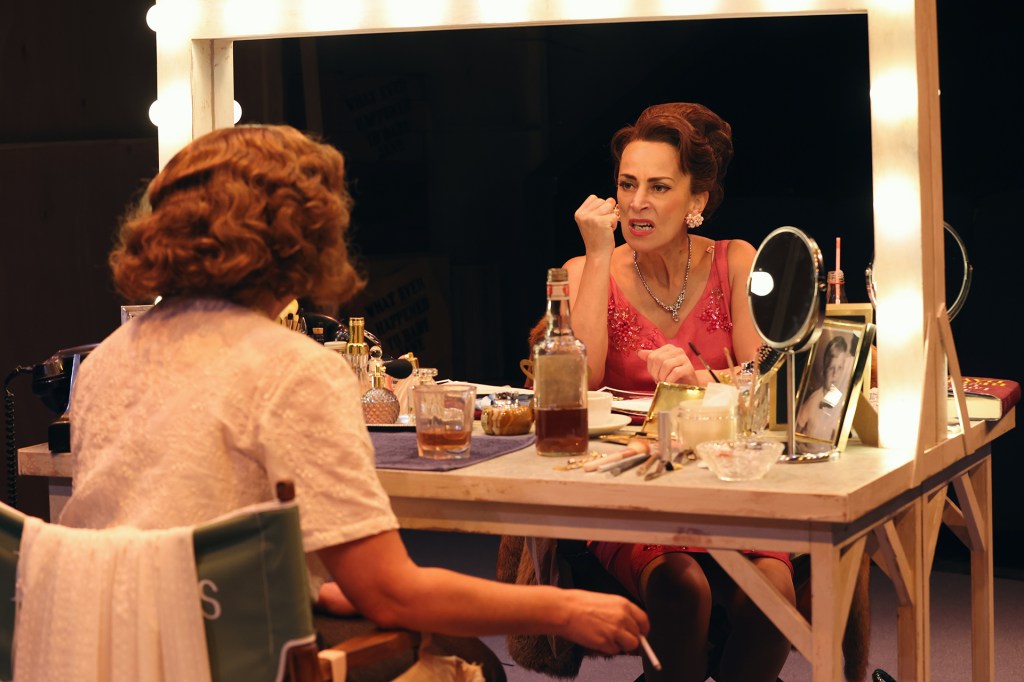
Burge’s shrewdest insight is that these two women were far more alike than either would ever have admitted. In a different world, they might have been allies; instead, the industry of the day pitted them against each other for tabloid headlines. Badorrek’s direction and Grace Deacon’s set design make the mirror dynamic visually explicit.
Those who relish the details of Hollywood’s golden age will love the specificity, and with two great performers anchoring the play, there is a lot to enjoy, but Bette & Joan never quite cohered into fully satisfying drama for me.
 Cultural Binge
Leave a comment