Written by Deborah Bruce. Australian Premiere. Presented by Tiny Dog Productions. Old Fitz Theatre. 18 Sep – 3 Oct, 2026.
There is something overly familiar about Deborah Bruce’s Dixon & Daughters. A family of women forced to confront each other over the sins of the past. The long shadow of abuse and the longer road to recovery. The withholding mother. The practical daughter. The wallflower. A cathartic denouement leading to a tentative peace. Think elements of August: Osage County,The Memory of Water or Snake in the Grass.
But rather than familiarity breeding contempt, knowing the structure here gives Bruce room to extend the narrative and offer a step beyond the usual finale. It’s in the closing moments that the play lets the air in, giving us a reason to hope for better.
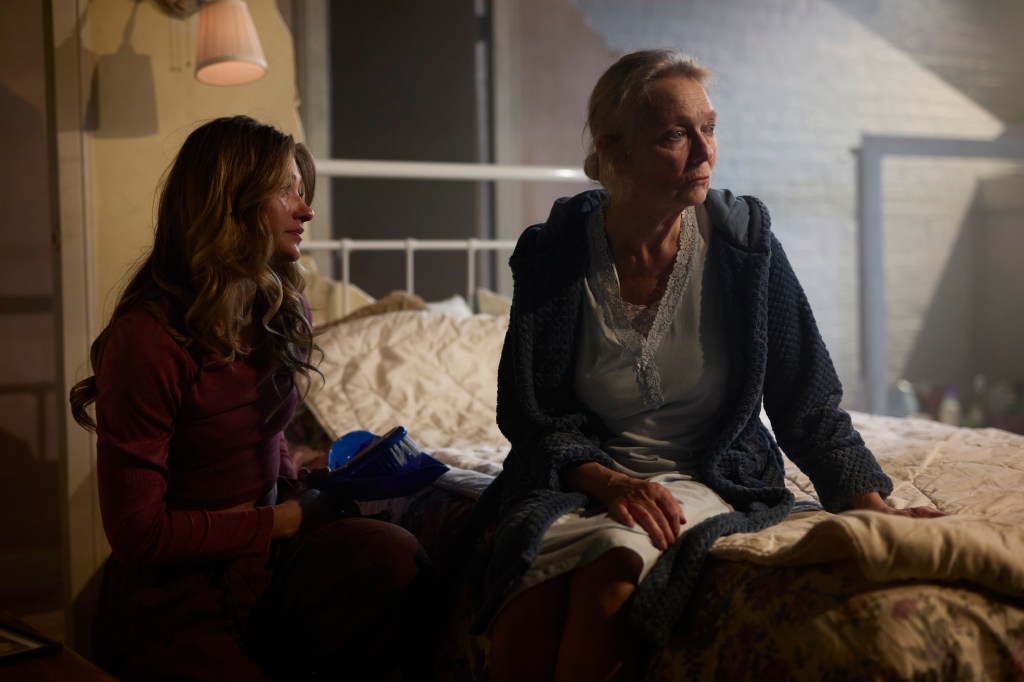
Mary (Vanessa Downing) has come back home from prison in a foul mood. Her oldest daughter Julie (Romney Hamilton) has been sleeping in her house after separating from her abusive husband. Her practical younger daughter Bernie (Linda Nicholls-Gidley) is having none of her mood. Mary just wants some peace, but there is none to be found. Little does she know that Julie has been talking to their half-sister Briana (Sarah Jane Starr), an outcast since the trial that sent Mary away. Now that Mary is out, Briana wants to clear the air — but some betrayals cut too deep, and some truths prove too hard to face.
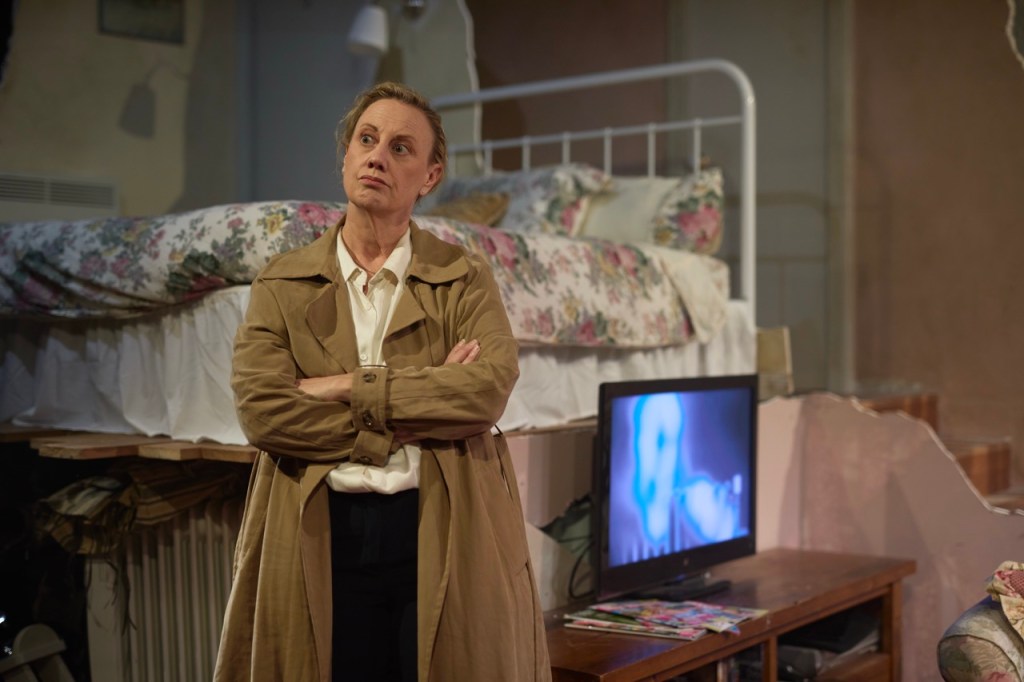
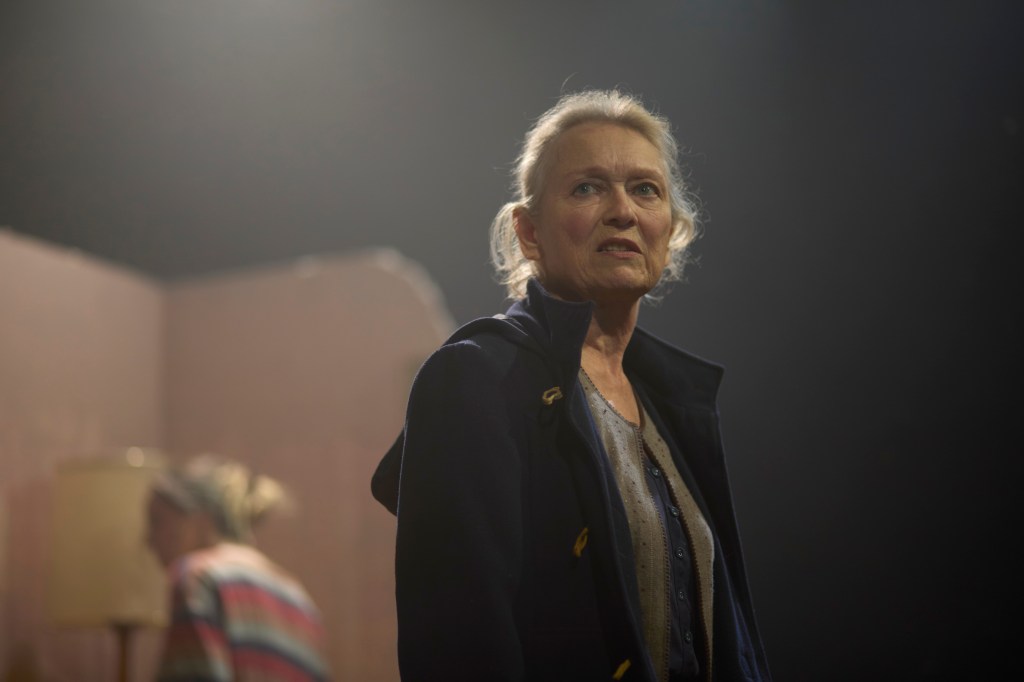
It’s the performances, under Kim Hardwick’s direction, that give Dixon & Daughters its life. Bruce has crafted deeply realised characters, slowly drip-feeding the audience the full context as the night goes on. Nicholls-Gidley’s Bernie is full of love soured into thinly veiled disdain by years of obligation. Hamilton’s Julie is flailing and worn down, broken by the physical abuse from her husband. Starr’s Briana arrives determined, almost brittle with self-help resolve. And Downing, with her sharp, caustic Mary, stands like an unfeeling core to these orbiting, damaged souls. Why is she more invested in helping her young fellow inmate Leigh (Rylea Eilis) than her own children?
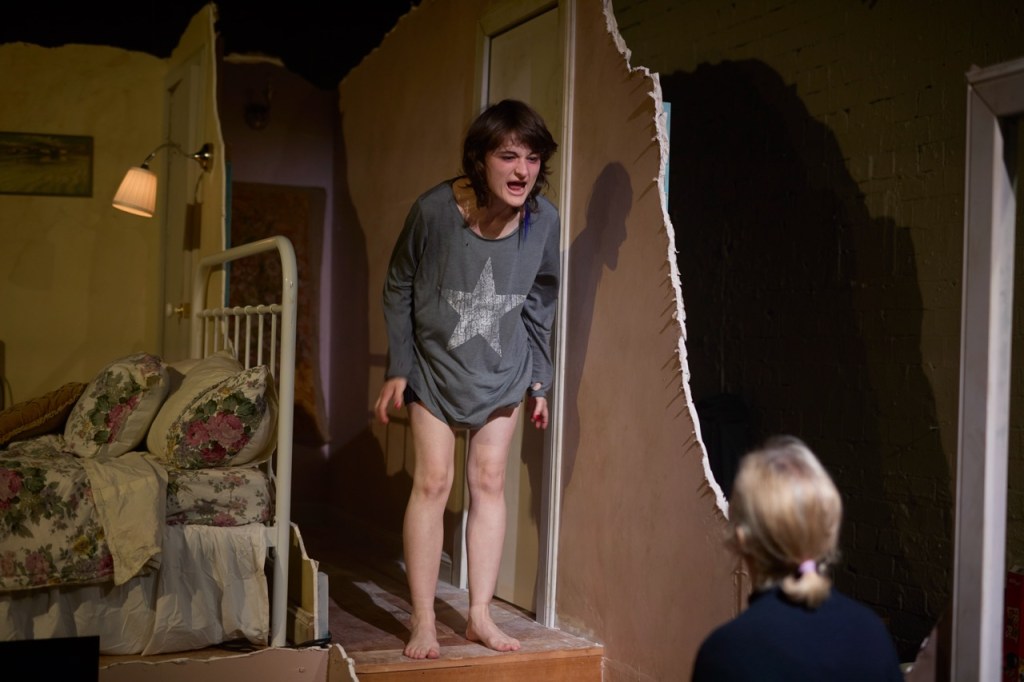
The family dynamics feel authentic — the product of years of mutual frustration, a history of disappointment and silence running through the dialogue. It’s a pleasure to watch these performances up close in the intimate space of the Old Fitz.
As the revelations pile up and our understanding of each character shifts, the performances deepen with them. I was especially struck by how far my view of Sarah Jane Starr’s Briana turned — from grating to deeply compassionate and strong — over the play’s 90-minute running time. It’s a subtle shift that quietly redirects the whole play.
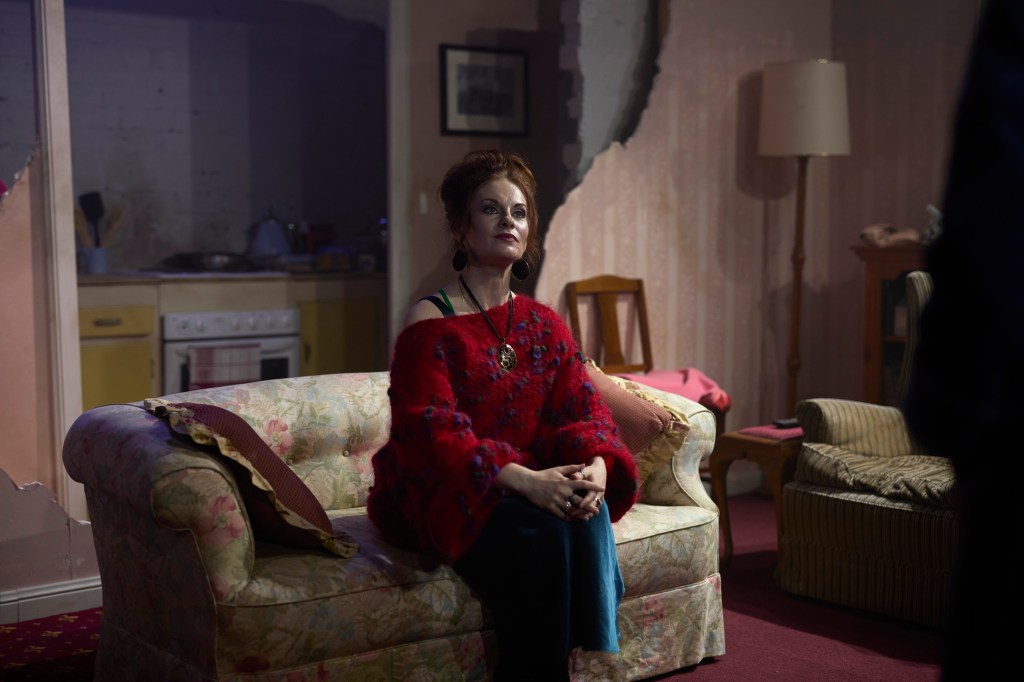
The design team’s work is just as accomplished. A multi-level set, in the Old Fitz space? You’ve got to be joking. But somehow set designer Mia MacCormick and set builder David Hodgkins have created a two-storey home in miniature, and Amelie Brown’s costumes are rich in character. This one is vying for the best production design in the Old Fitz – and there have been some great ones this year.
Bruce knows how to mine wry comedy from pain, and Dixon & Daughters earns some real laughs along the way. While much of it feels familiar, it’s the final act that pushes past the genre’s usual tropes, as Briana proves to be the one best placed to help others — breaking the cycle of abuse and teaching Bernie’s daughter Ella (Danette Potgieter) why it matters to speak out early, and not let abusers get away with it. How else does the world change? It’s in these closing moments that the play earns its flowers — going from a remix of trauma-play tropes into something that stands on its own.


Leave a comment