-
Welcome to Cultural Binge

The rating system is simple:
★★★★★ – Terrific, world-standard. Don’t miss.
★★★★ – Great, definitely worth seeing.
★★★ – Good. Perfectly entertaining. Recommended. Individual mileage may vary.
★★ – Fine. Flawed and not really recommended, but you may find something to appreciate in it.
★ – Bad (& possibly offensive).
See more reviews over at The Queer Review.
Instagram: @culturalbinge
Substack: culturalbinge.substack.com
Email: chad at culturalbinge.com
-
WAKE (Sydney Festival) ★★★★
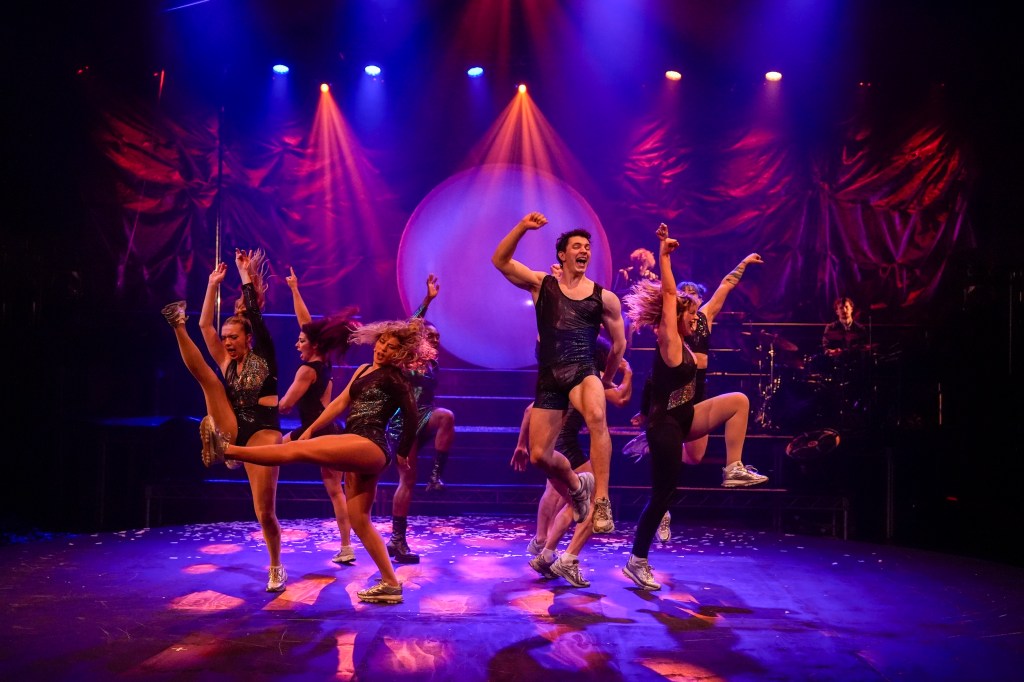
Created by Jennifer Jennings, Phillip McMahon & Niall Sweeney. THISISPOPBABY. Sydney Festival. Carriageworks. 15-25 Jan, 2026.
Irish multidisciplinary ensemble THISISPOPBABY return to Sydney Festival with a wild exploration of death, life, connection and other light-hearted stuff. This is an Irish wake, and it’s probably not what you were expecting.
WAKE is hard to describe because the list of hyphenates seems never-ending. This is an acrobatic-circus-comedy-dance-cabaret-beatbox-poledancing-aerial-Irish-dancing-breakdancing performance… let’s just call it a “variety show” with a live band.
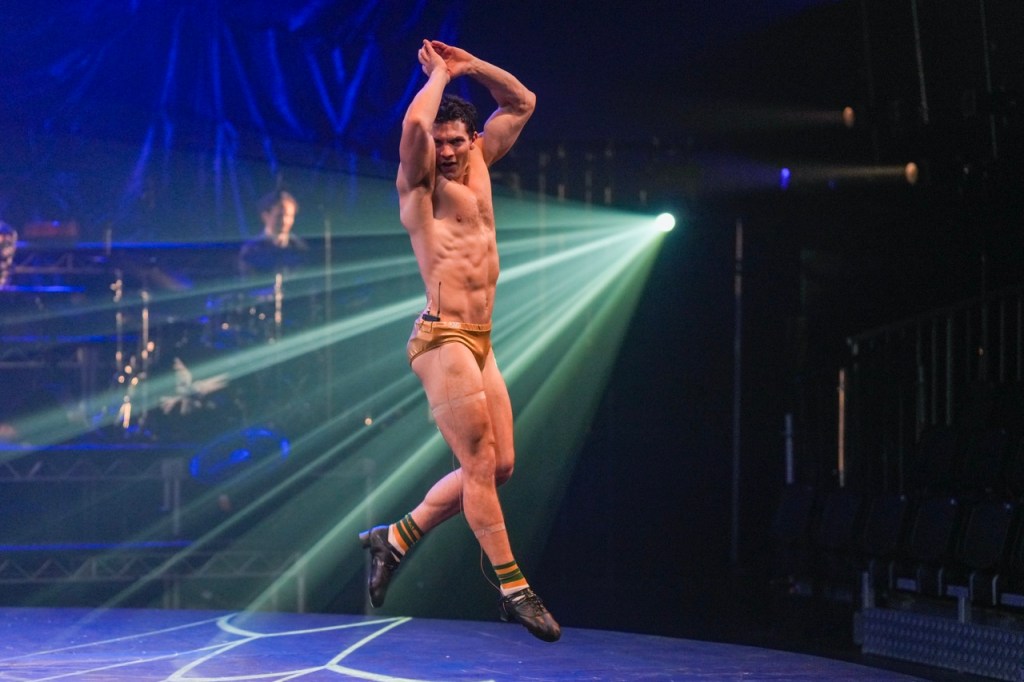
Michael Roberson. Photo: Neil Bennett. Yes, some of the individual acts are familiar if you’ve seen one of the many acrobatic-cabaret’s in town (GATSBY at the Green Light, LaRonde, Briefs, Godz etc) but they’re given a new spin, quite literally in some cases. You’ve seen a muscular man do aerial tricks, but have you seen one start with some Irish dancing before stripping down to a gold pair of briefs, then taking to the air? I think not. And you’ve seen athletic pole dancing, but believe me, you’ve never seen it with this much strength.
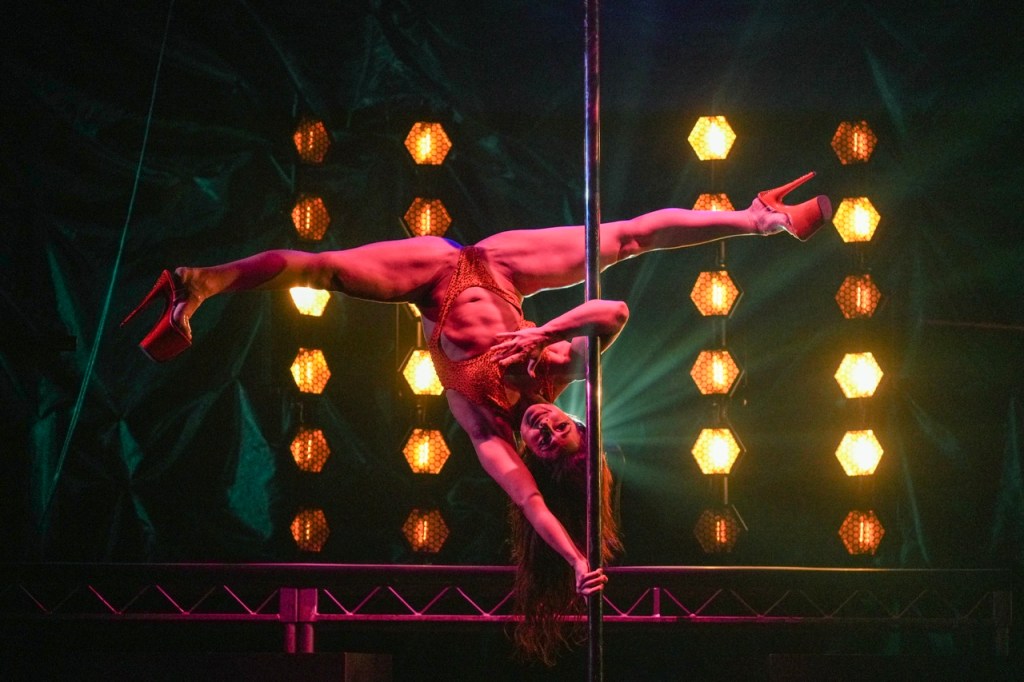
Lisette Krol. Photo: Neil Bennett. This blend of acts includes plenty of straight-up comedic moments and is incredibly lively — which is part of the whole point. The wake is not about mourning the dead as much as celebrating the living.
In this, we have a guide: our storytelling poet, FELISPEAKS. She brings words of wisdom and cheeky encouragement, and pulls us back to the central theme when the acts become pretty tangential.
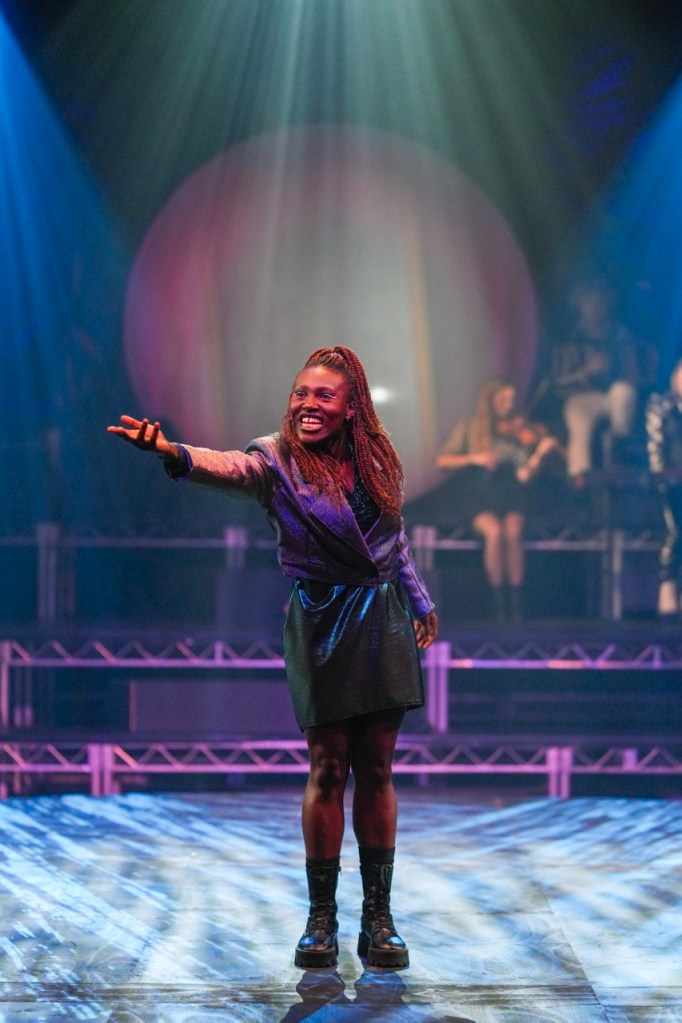
FELISPEAKS. Photo: Neil Bennett. The large Carriageworks space works to the show’s advantage, giving the aerial work scope, while the big audience drives the big vibes. Musical interludes range from moving arrangements of pop hits to lashings of club beats. Impressive lighting by Mark Galione and a set by Niall Sweeney give the show a strong sense of scale.
There are plenty of easy stand-outs across the evening. Lisette Krol’s muscular pole routines are consistently jaw-dropping, while Emer Dineen’s comic alter ego, the hapless DJ Drunken Disorderly, delivers big laughs.
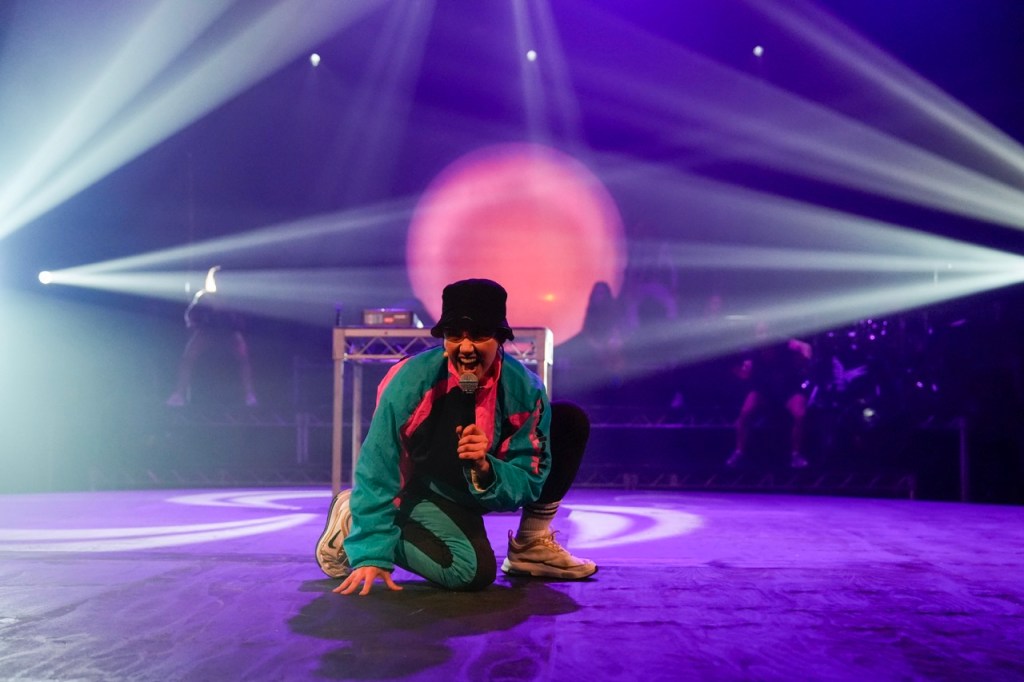
Emer Dineen. Photo: Neil Bennett. The multitalented Michael Roberson impresses with Irish dancing and aerials, alongside a hilarious Balloonhead routine. The live band — Alma Kelliher, Lucia Mac Partlin, Ryan McClelland, Darren Roche and Adam Matthews — give the tunes an Irish twist throughout the show.
This is a show that thrives on its audience. The performers are never happier than when the crowd are whooping, cheering along and clapping to the beats. This is very much a communal group experience.
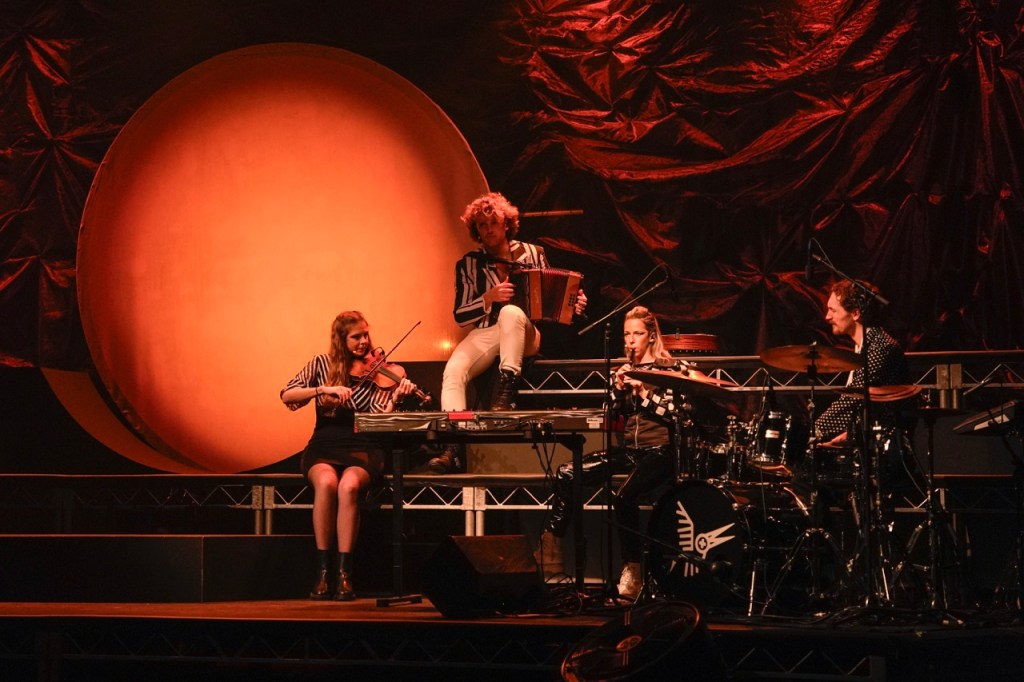
Lucia Mac Partlin, Darren Roche, Alma Kelliher & Ryan McClelland. Photo: Neil Bennett. Those in the front rows (or aisles) be warned: there is some audience interaction. Nothing too intense, but you may get a microphone in your face.
The energy is high and the acts impressive. Sydney is no stranger to circus-cabaret shows, but WAKE brings a fresh twist and turns the volume up to 11.
-
Danny & the Deep Blue Sea (Old Fitz) ★★★½
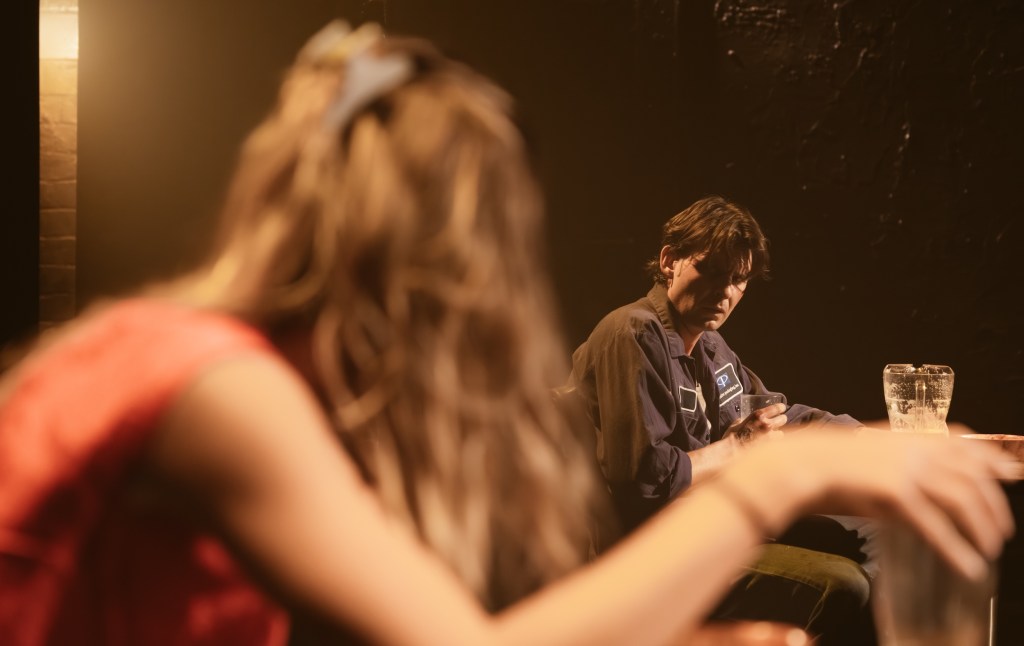
Written by John Patrick Shanley. NicNac Productions. The Old Fitz Theatre. 13 Jan – 1 Feb, 2026.
Two fucked up people trying to find the light collide in John Patrick Shanley’s highly combustible 1983 two-hander, Danny & the Deep Blue Sea. There’s shouting. There’s punching. There’s sex. There’s a little bit of choking. And there’s a lot more shouting again.
Two Catholics walk into a bar… Danny (JK Kazzi), knuckles bloodied and sporting a black eye, says he wants to be left alone. But over a few pretzels and some beer, he starts talking to Roberta (Jacqui Purvis). Danny has no hope, convinced he may have killed a man in a street fight. Roberta is filled with self-loathing and searching for distraction, perhaps absolution. They’re two people with broken pasts, struggling with the simultaneous urges of fight and flight. But maybe they can help sort each other’s shit out.
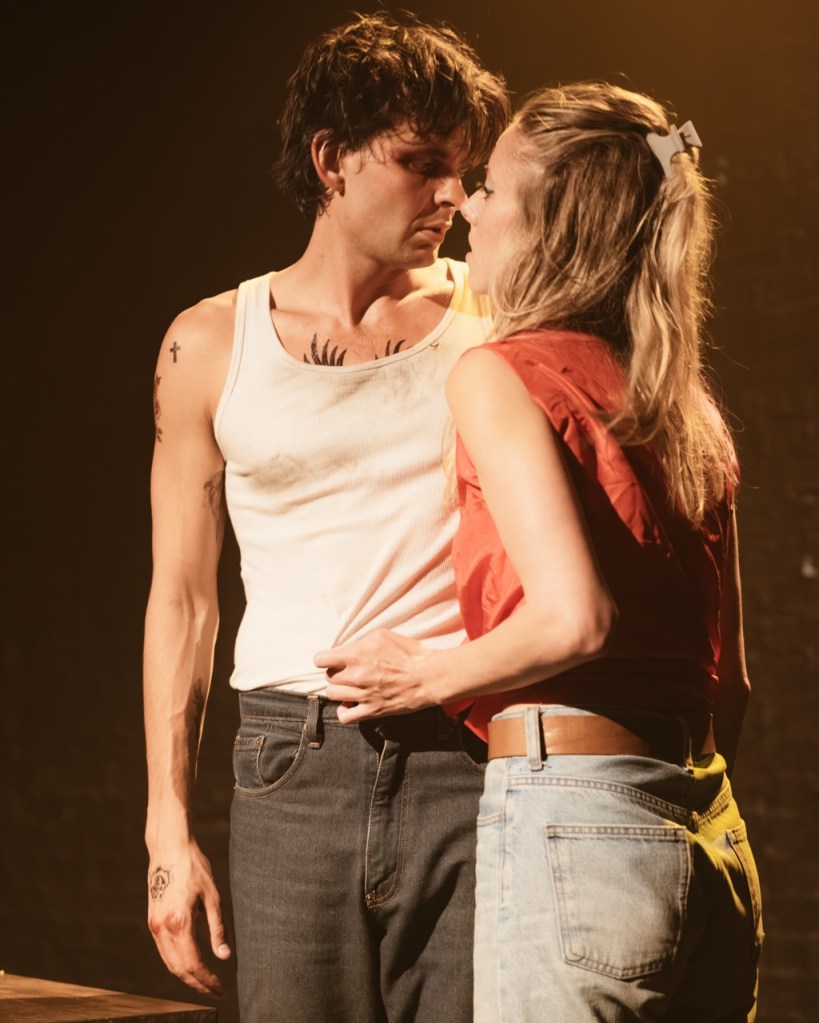
JK Kazzi & Jacqui Purvis. Photo: Tony Davison. Danny & the Deep Blue Sea hails from a wave of late-70s/early-80s Off-Broadway theatre that rediscovered “grit” and aimed squarely for realism. In fact, 1983 was a real high point for fragile masculinity on stage, with David Mamet’s Glengarry Glen Ross and Sam Shepard’s Fool for Love both debuting that year.
These characters sit at a messy inflection point in society, suffering through the early years of the first Reagan administration. They lack the language to describe their pain, or the insight to see any solutions. This is masculinity battered by economic decline and the humiliation of the Vietnam War — men no longer able to see themselves as breadwinners or protectors.
The play’s view on femininity is no gentler: a dark reflection of motherhood, the desire to nurture, and the uneasy aftermath of the sexual revolution. Roberta is a woman who can’t quite step fully into the world being created.
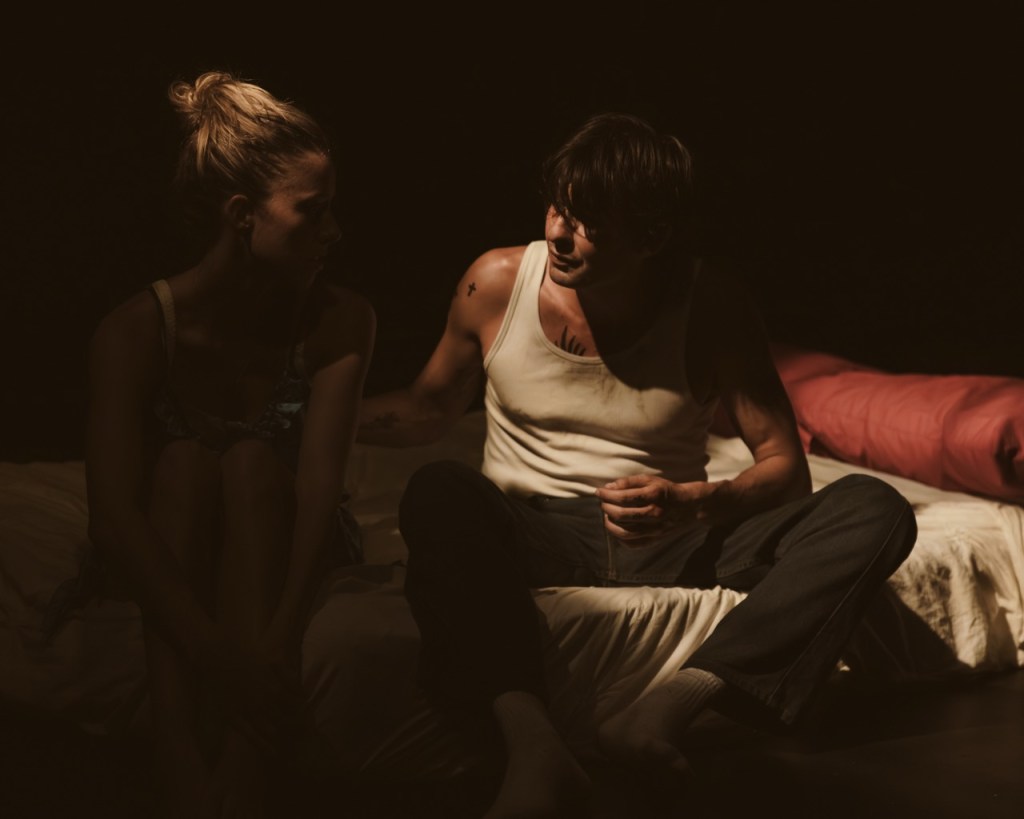
Jacqui Purvis & JK Kazzi. Photo: Tony Davison. It’s a juicy script for performers eager to show their range, with two manic characters ricocheting from rage and fear to joy, lust, and hope, then back again. At times the scenes feel like a series of audition-ready monologues strung together. Still, the script is well paced — a lovely piece of writing that carries the audience on a compelling journey from beginning to end.
Nigel Turner-Carroll’s new production at the Old Fitz leans hard into the theatre’s inherent dankness. This is a grubby, visceral show that lets the performers rage against the black walls. It’s occasionally overwrought, with hair-trigger emotions leaping from zero to 100 in the blink of an eye, and they don’t always feel earned. And this isn’t really a criticism at all, but I was expecting something to come from the set up of what I will only describe as “Chekhov’s used condom” but I’m also kinda glad there wasn’t.
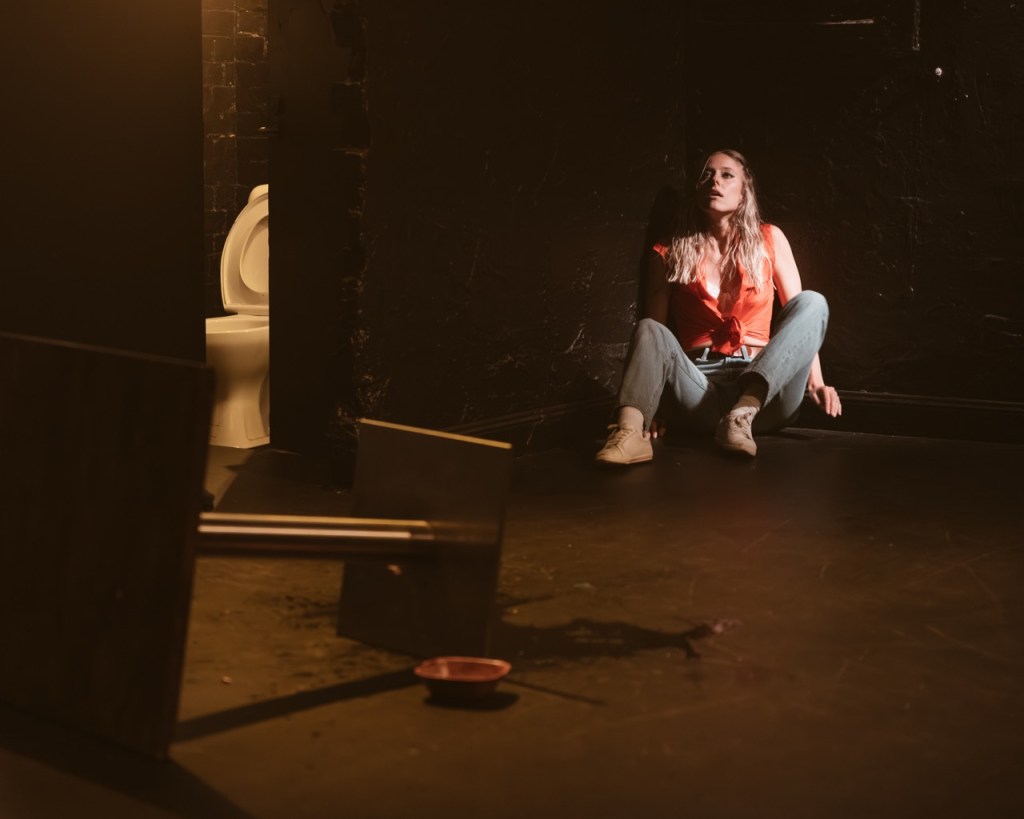
Jacqui Purvis. Photo: Tony Davison. Jacqui Purvis, probably best known for her stints on Neighbours and Home & Away, sets out to prove her range here — and succeeds. Her Roberta is a festering mix of Catholic guilt and hard-won independence, her inner child sneaking out in flashes before retreating behind a gruff exterior.
Similarly, JK Kazzi gets to emote to the rafters as the erratic and possibly dangerous Danny. There’s a wounded boyishness to his violent tantrums, and a wide-eyed innocence to his yearning for a future he can’t yet imagine.
There are moments when the show’s subtext is written too large in the performances, which may be cathartic, but flattens the scripts latter revelations. These lapses are forgivable with a script this strong. The accents, though… well, you do settle into them, even if it took me half a dozen lines to realise we were in the Bronx and not a pub in Ireland.
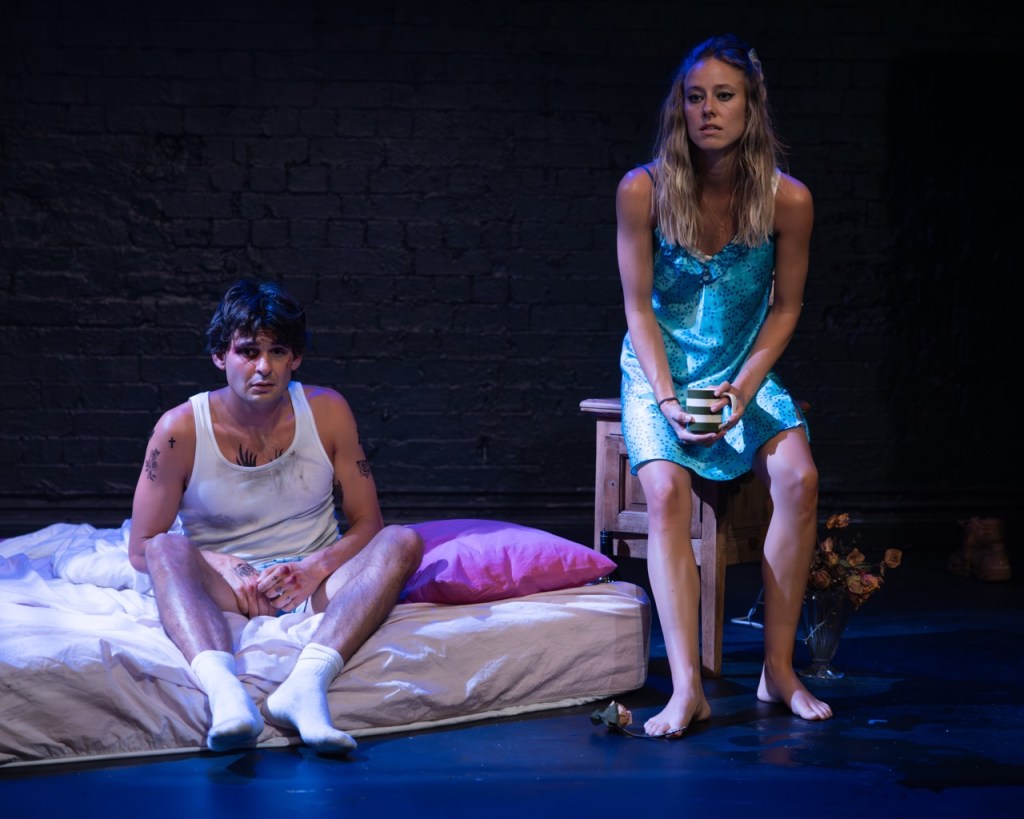
JK Kazzi & Jacqui Purvis. Photo: Tony Davison. Don’t let the opening scene put you off. It’s when Roberta and Danny retreat to the bedroom and begin an emotional strip-tease — slowly opening up to each other — that the show finds its rhythm. This is where the play’s contemporary resonance shines. In isolation, we become bitter and twisted (thank God these characters didn’t have access to social media in 1983), but maybe a little human connection can still show us the way out.
Shanley would go on to win the Pulitzer and Tony Awards for Doubt: A Parable in 2005, using Catholicism to explore even murkier territory (returning to STC later this year BTW – book now). It’s almost frightening how these two plays, written decades apart, tap into distinctly modern anxieties. Danny & the Deep Blue Sea is a crisis of masculinity; Doubt examines the dangers of flawed moral certainty — something that feels uncomfortably resonant in an era of conspiracy theories, religious extremism, and science denial. Maybe it’s time we started re-examining John Patrick Shanley’s work a little more closely.
-
Mama Does Derby (Sydney Festival) ★★★½
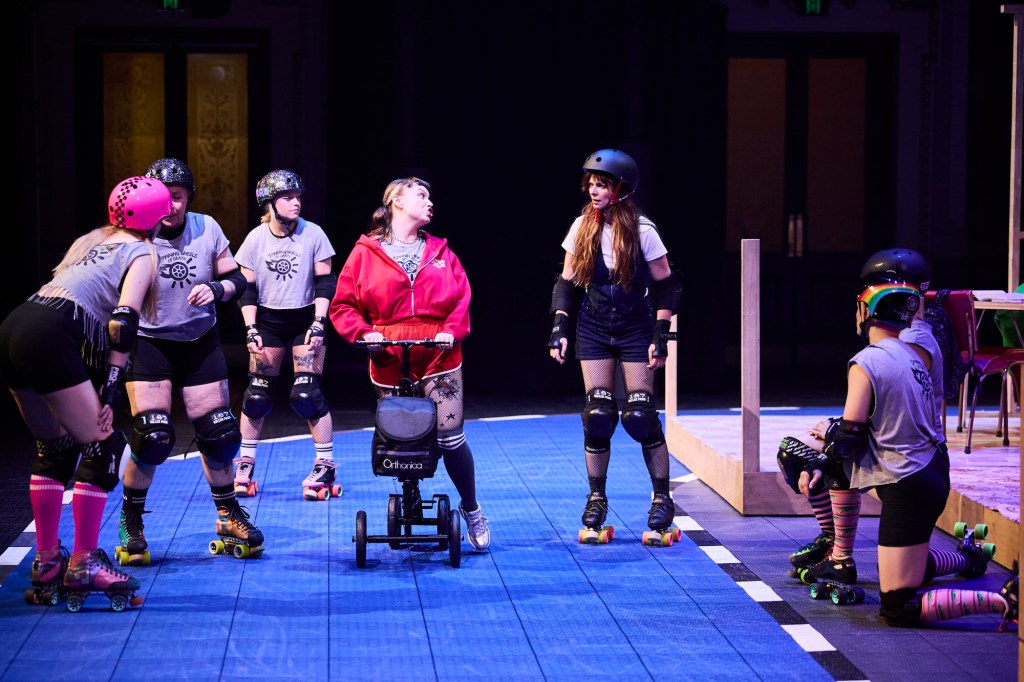
Created by Clare Watson & Virginia Gay. Windmill Production Company. World Premiere Season. Sydney Festival. Sydney Town Hall. 15-22 Jan, 2026.
Mama Does Derby brings roller derby into the Sydney Town Hall… sorta. That may be the overarching gimmick behind the show, but its big surprise is that it isn’t just all spectacle — there’s substance in the mix too.
Sixteen-year-old Billie (Elvy-Lee Quici) and her mum (Amber McMahon) are new in town after a chaotic life on the road. They’re more like best friends than mother and daughter sometimes, but a static life isn’t sitting too well with either of them. Billie struggles to connect with kids at school and pours herself into her art. Mum, meanwhile, is bouncing off the walls… and the men… until she discovers the local roller derby rink.
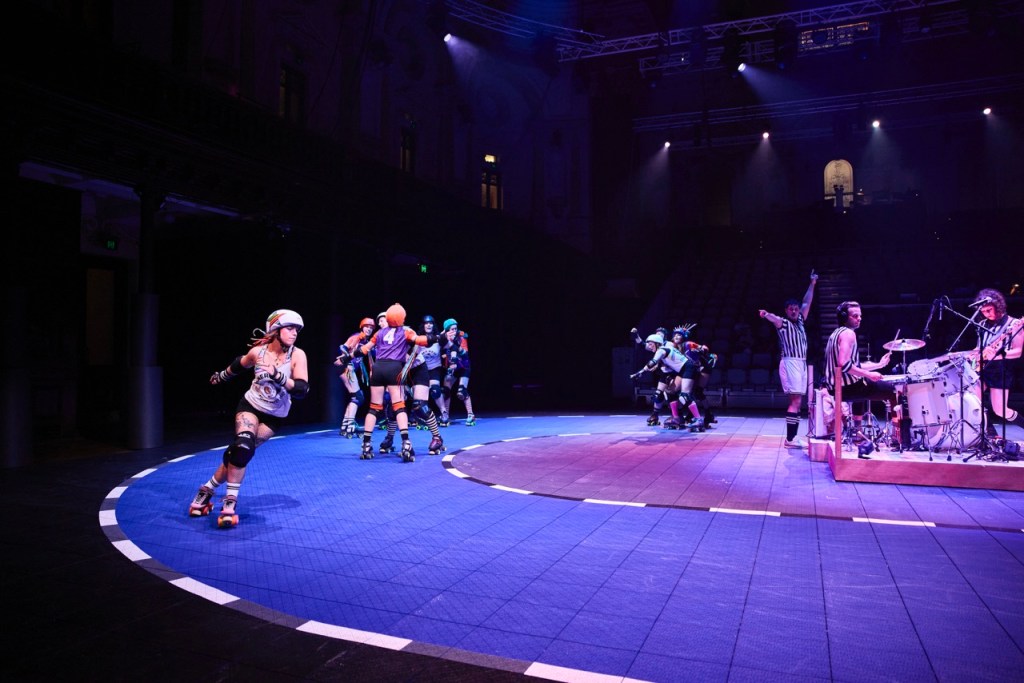
Mama Does Derby. Photo: Claudio Raschella. I’ll get my main criticism out of the way early — there isn’t enough roller derby in Mama Does Derby. The hard-working skaters spend almost two thirds of the show pushing the set around, and when we do get to the derby, the confines of the Town Hall seating make it all feel rather tame. I get it: crash barriers would block sightlines and eat into the space. But “derby” is in the title. I at least wanna see some argy-bargy on wheels.
Thankfully, the show’s secret weapon isn’t its Starlight Express antics, but the fact that Watson & Gay (which sounds suspiciously like a TV detective series) have built a genuine play about a mother and daughter dealing with trauma — one that just happens to have rollerskating happening around it.
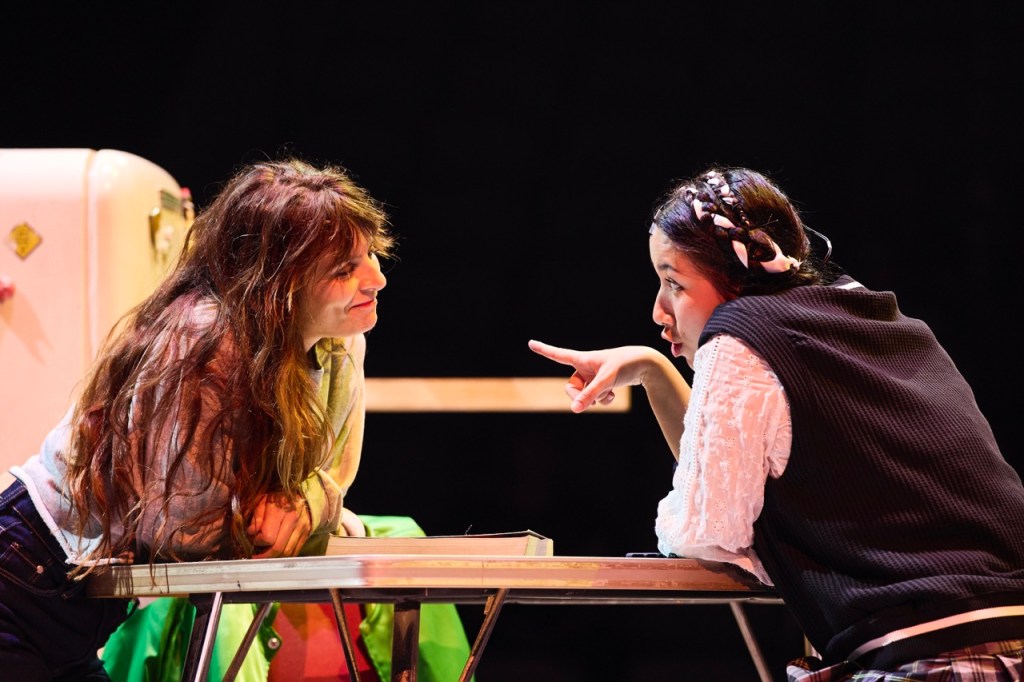
Amber McMahon & Elvy-Lee Quici. Photo: Claudio Raschella. Billie can’t sleep when Mum isn’t around. At first this reads as standard coming-of-age anxiety, but the more we learn about their dynamic and history, the clearer it becomes that Billie is worried about… everything. Beyond the existential dread of being a modern teenager, Billie has effectively become a parent to her own mum, and her fears extend to making sure Mum is safe.
It’s a well-constructed story, broad enough to work in a vast, spectacle-heavy space, but with enough emotional investment to feel real rather than swallowed by the bells and whistles.
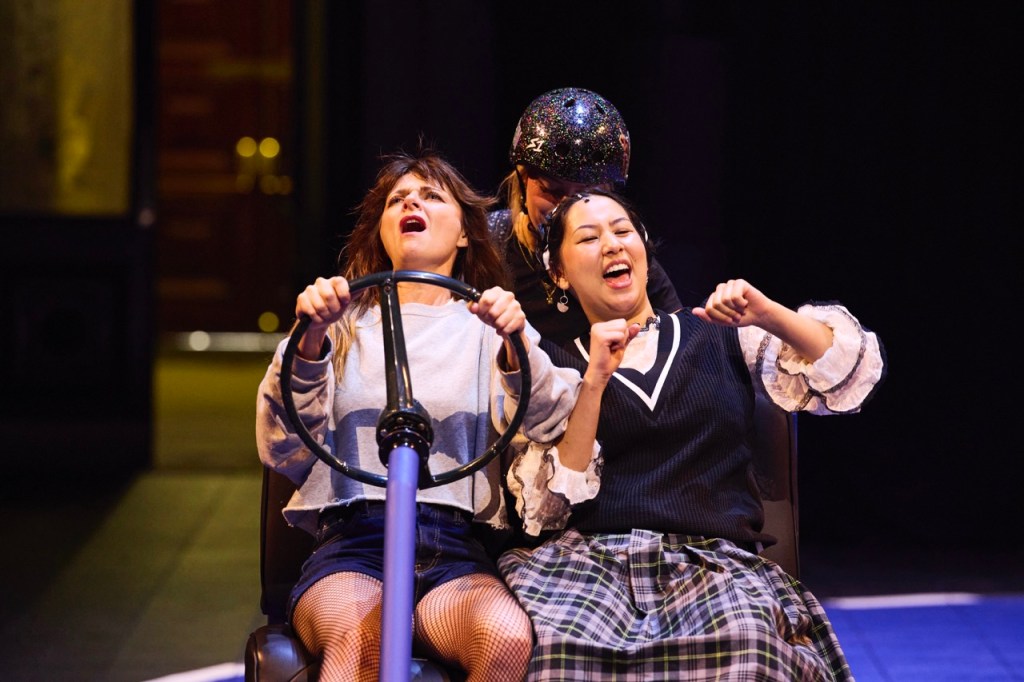
Amber McMahon & Elvy-Lee Quici. Photo: Claudio Raschella. When Billie’s night terrors take physical form, the show gets a shot of theatrical adrenaline. Embodied by performer Benjamin Hancock, her fear is ethereal, beautiful, and deeply strange as it contorts its way through the darkness. It’s an absolute visual highlight of the night. Designer Jonathon Oxlade and costume maker Renate Henschke knock it out of the park.
Another standout is the kick-ass live band, which delivers high-energy, atmospheric hits throughout the show. Tracks like Beastie Boys’ “Sabotage”, The Pixies’ “Where Is My Mind?”, and Tom Cochrane’s “Life Is a Highway” are performed by the tight three-piece of Joe Paradise Lui, Calliope Jackson, and Antoine Jelk, adding propulsion and grit to the action.
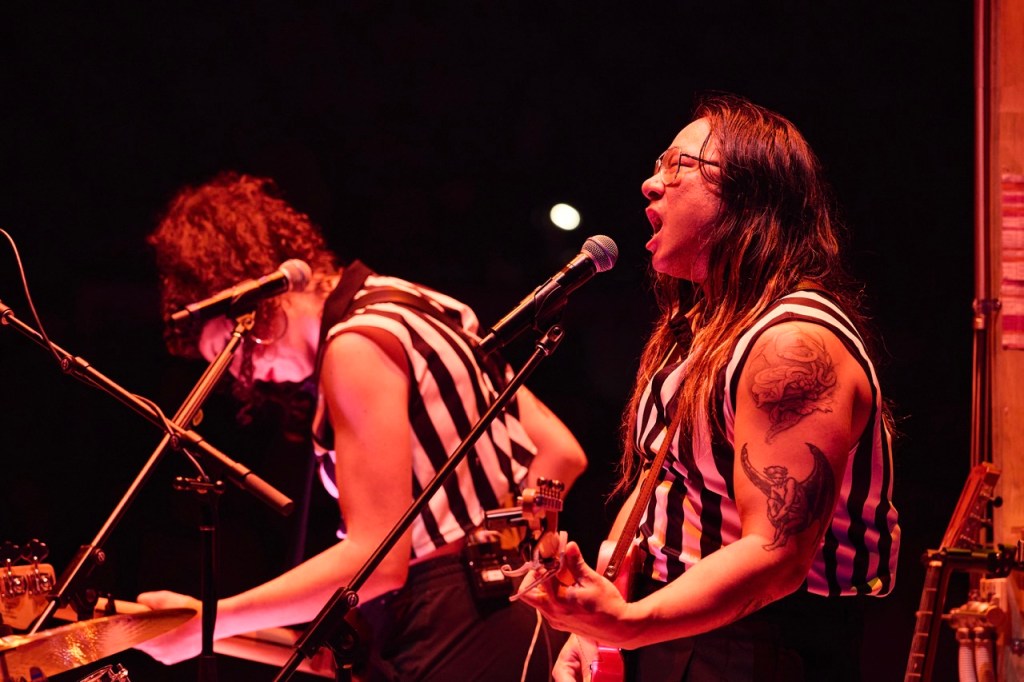
Calliope Jackson & Joe Paradise Lui. Photo: Claudio Raschella. Clare Watson’s direction works hard to keep the story flowing amid some tricky physical constraints. A wide thrust configuration and steeply raked seating aren’t the most conducive set-up for intimate emotional drama — especially not when there’s a racetrack in the middle. Strong sound and lighting design (by Luke Smiles and Lucy Birkinshaw) help focus attention within the cavernous space, while Watson ensures Quici and McMahon’s performances are bold enough to read without tipping into pantomime.
Sydney Festival’s Town Hall shows are always events: large-scale spectacles anchored by a clear artistic vision. Mama Does Derby leans more towards entertainment than art, but it’s still a lot of fun, packed with confident stagecraft and emotional heft. I just wanted more sweaty smash’n’grab from it.
-
EnGORGed (Sydney Festival) ★★★★½
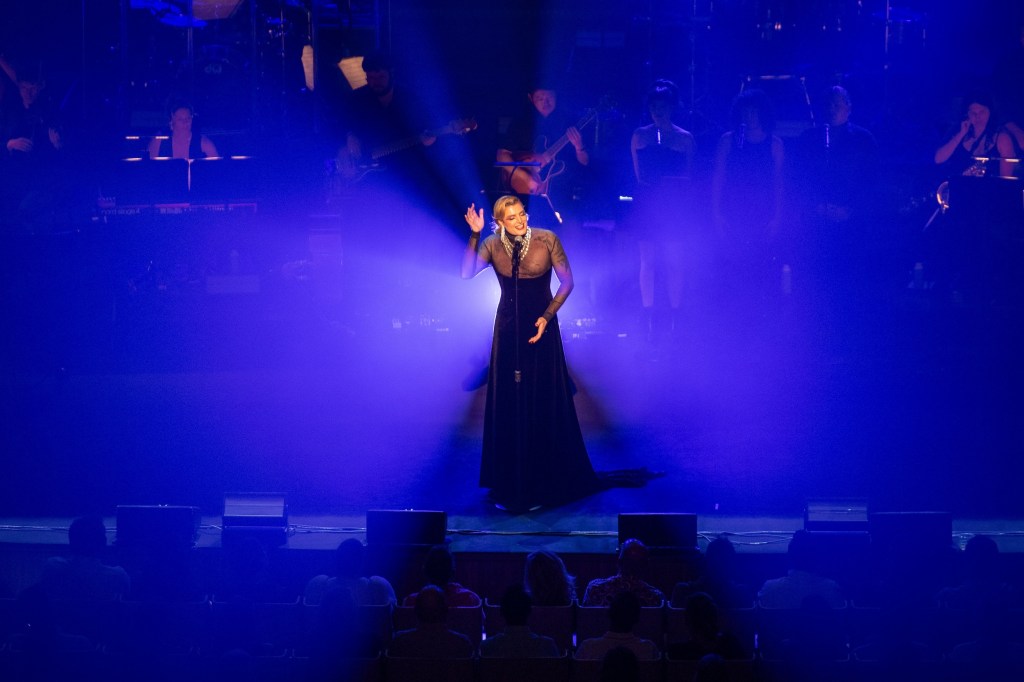
Written by Reuben Kaye. Original work commissioned by Adelaide Cabaret Festival. Sydney Opera House. Sydney Festival. 16 Jan, 2026.
For one night only (why, Sydney Festival, why only one night?), Reuben Kaye took over the Concert Hall of the Sydney Opera House with a suitably large and loud show. Reuben Kaye’s signature sexually charged comedy was well and truly enGORGEd.
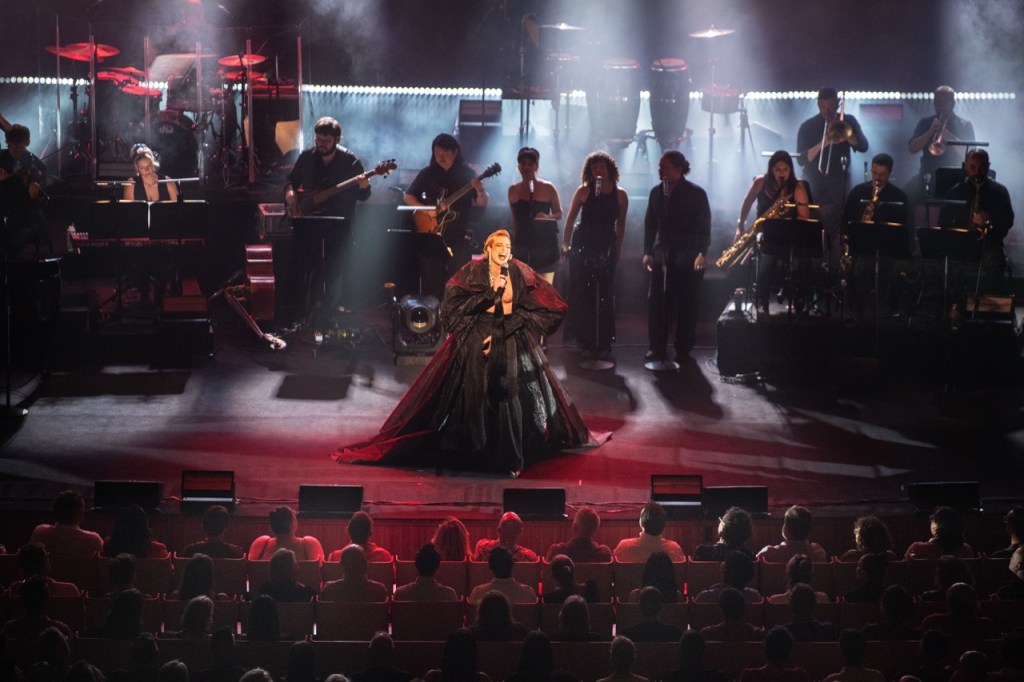
Reuben Kaye & orchestra. Photo: Wendell Teodoro. Backed by an eminently patient 18-piece orchestra, Kaye lets rip — musically, comedically, politically and sartorially — with stories of his time touring with Jesus Christ Superstar, his brush with internet death threats, plus his usual acid wit and sensual shenanigans. Is he bawdy? Yes. Is he rude? Often. Is it rougher than your average drag brunch? No, not really. Or if it is, you’re going to the wrong drag brunch.
No stranger to the Opera House (thanks to the annual Opera Up Late), enGORGEd does feel like an evolution for the cabaret artist. The added veneer of prestige plays well against his brash sexcapades, matching flawless make-up with a dirty mouth.
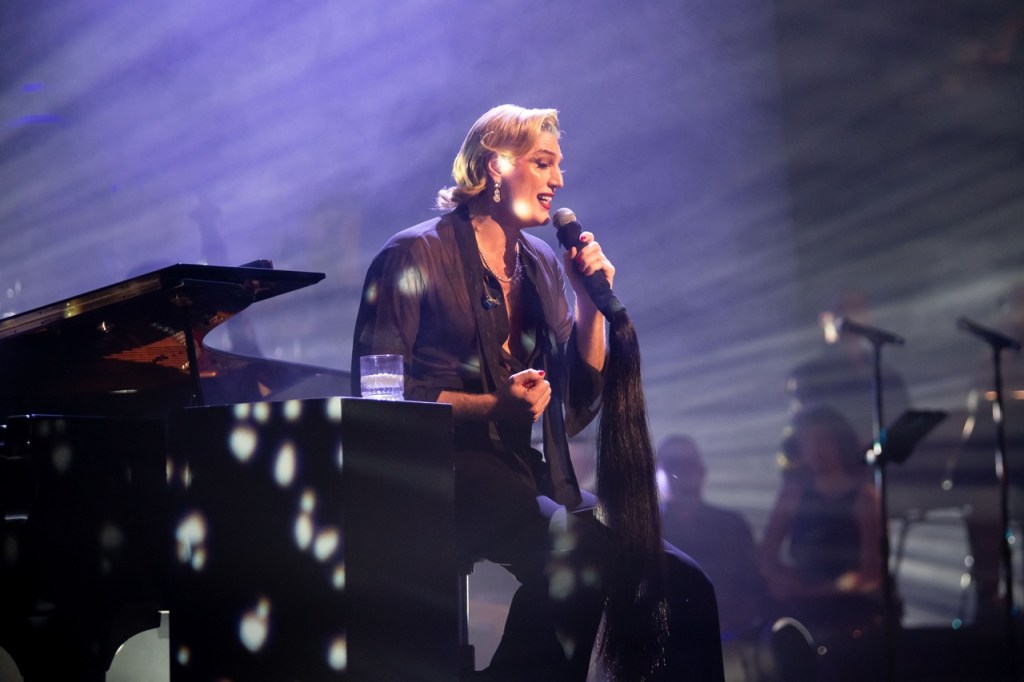
Reuben Kaye. Photo: Wendell Teodoro. It’s a shame, then, that muddy sound lessened the impact of the music, with Kaye’s vocals getting slightly lost against the otherwise beautiful sound of the orchestra.
Despite his talents as a singer, the music is never the draw of a Reuben Kaye show. Kaye’s strength is his quick wit and ability to play with the audience, and that was on full display as he organically riffed off the crowd. In a night of well-polished comedy (the show has been touring the country before its one-night stand in Sydney), these moments kept things fresh and unpredictable.
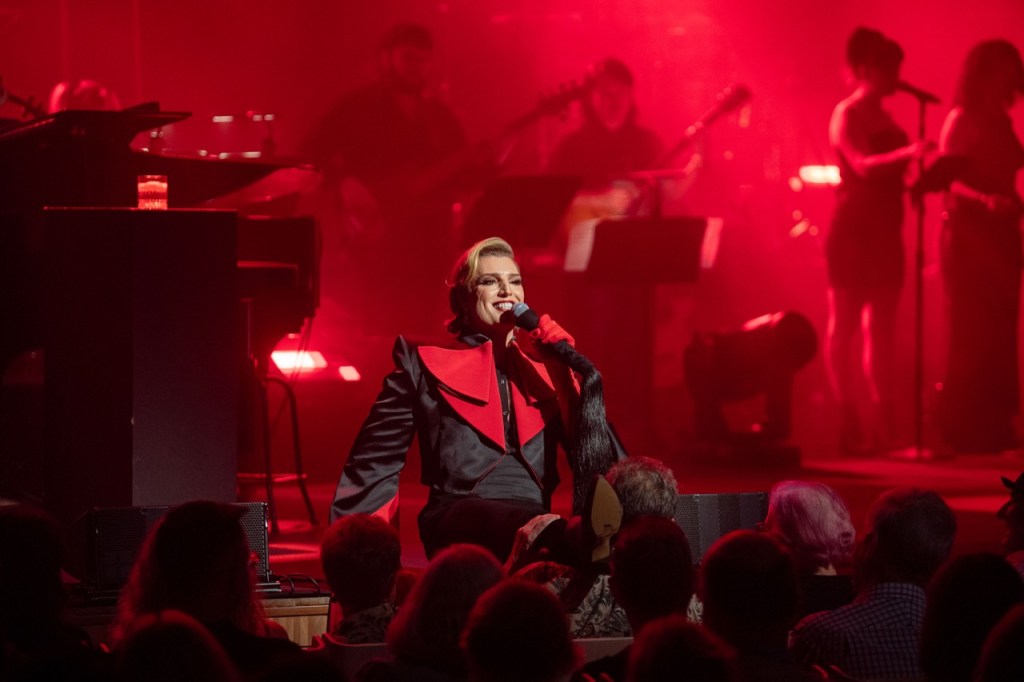
Reuben Kaye. Photo: Wendell Teodoro. At a time when drag has been reduced to cheap clowns who occasionally death drop to entertain straight crowds, Reuben Kaye still brings the bite. Satirising queer culture, politics and celebrity, Kaye’s uncontrollable verve never loses its subversive edge, no matter how big or storied the venue.
Mixed with emotional storytelling, it all bodes well for his new job as Artistic Director of the Adelaide Cabaret Festival.
-
EXXY (Sydney Festival) ★★★
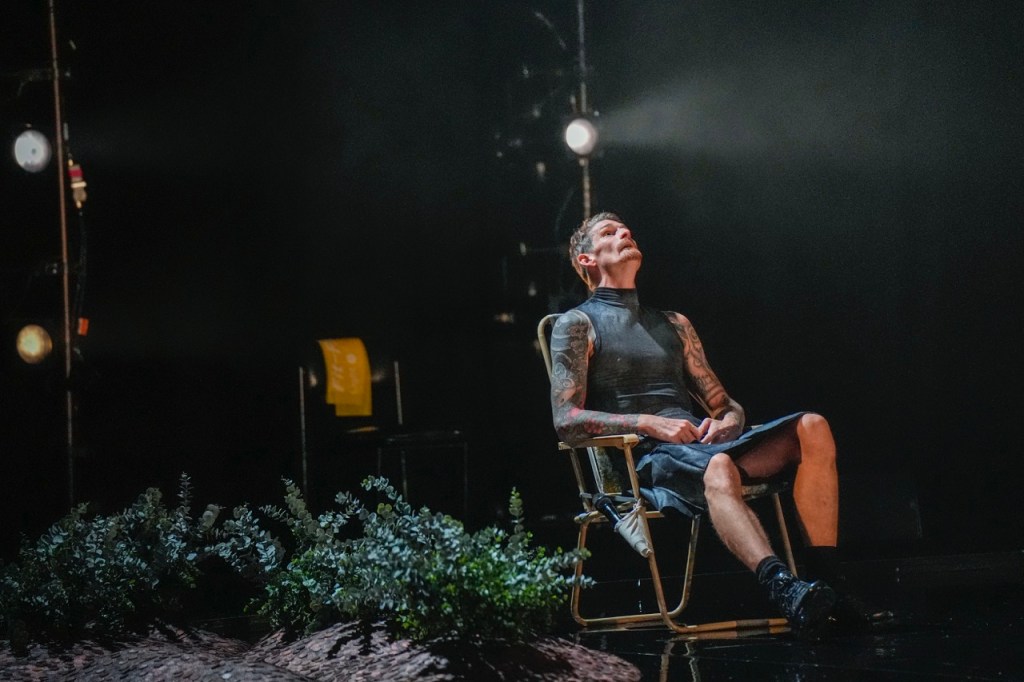
Created by Dan Daw & Company. Co-written by Brian Lobel. Sydney Opera House. Sydney Festival. 15-18 January, 2026.
Dan Daw’s return to Sydney Festival is a deliberate struggle. EXXY is about survival in a world not designed for people with differing forms of disability. There is tension in every step – physically and narratively.
After a warm prologue in which Daw explains the elements of the show that may adversely affect audiences sensitive to light and sound (echoing the preamble in Belvoir’s production of The Curious Incident of the Dog in the Night-Time last year), the show begins with the piece-by-piece destruction of a large poster of Daw himself. Deconstruction is the name of the game in a show that revels in its abstraction.
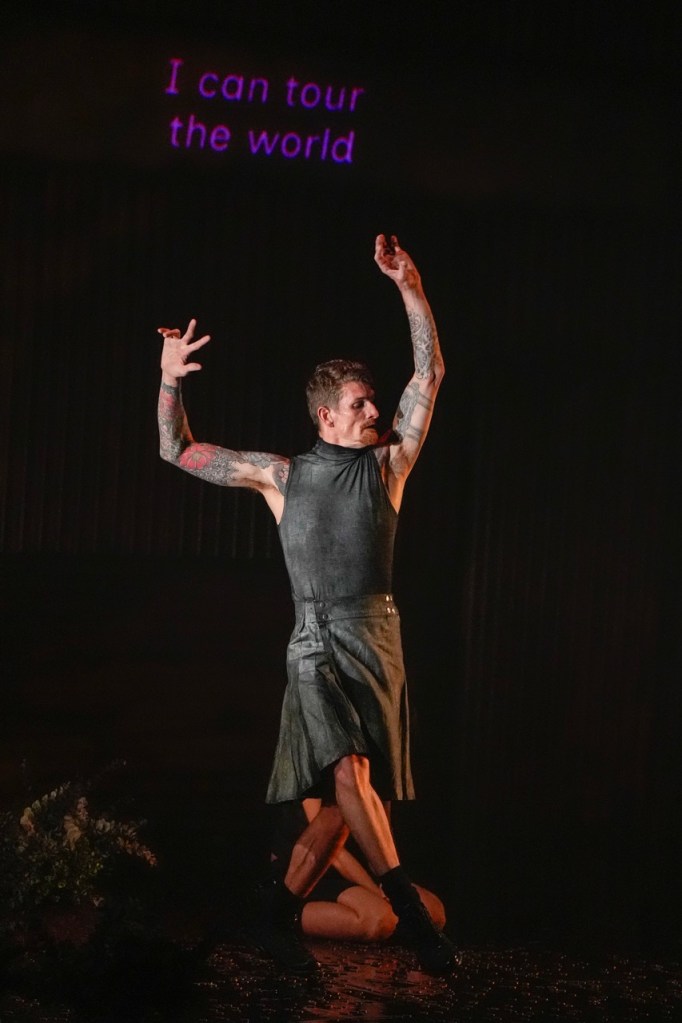
Dan Daw. Photo: Neil Bennett. Set in an outback backyard, with a tin shed, saltbush growing from the soil and a lot of open space, Daw tells his story of growing up. He recalls memories of his grandmother singing as he played outside, unencumbered by societal expectations of how he, a child with cerebral palsy, should move or be presented. As an unselfconscious child, he was free to drool and move as his body demanded.
As life progresses, the need and desire to fit in – to not offend – grows harder. Daw, along with his fellow cast (Tiiu Mortley, Joseph Brown and Sofia Valdiri), is put through his paces.
At times it feels like Daw is prodding the audience for a reaction. There are prompted moments of interaction, with lines projected on a screen for the audience to repeat, alongside stories clearly designed to generate applause. We become puppets and props in the storytelling, playing both willing supporters and harsh eyes. When the cast is showered in coins, you have to ask yourself: did we just make these four disabled performers dance for their supper?
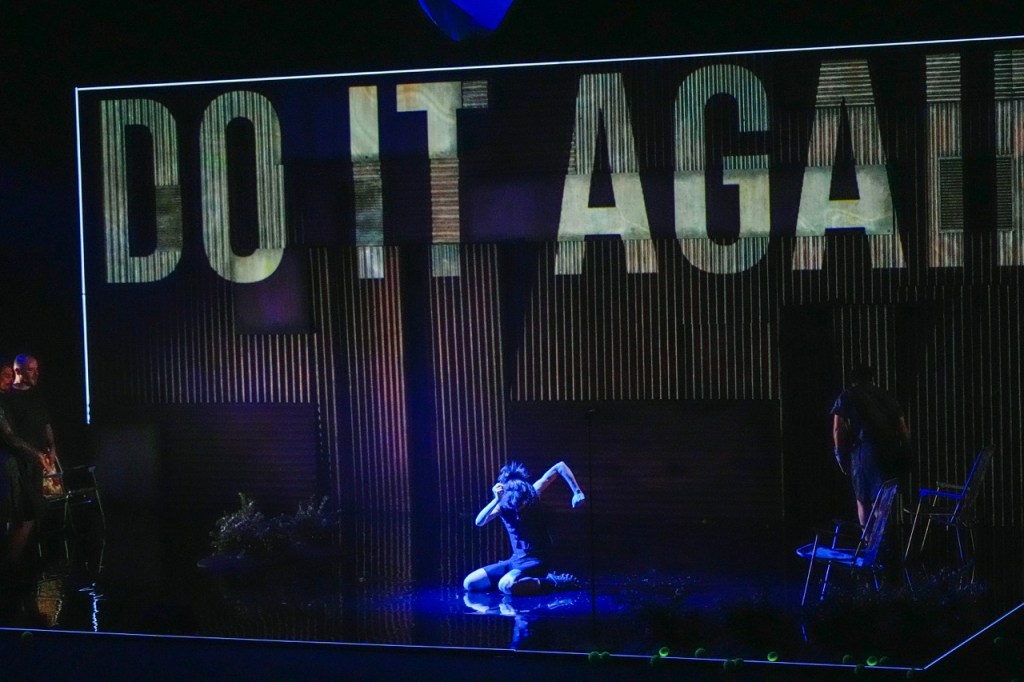
Sofia Valdiri. Photo: Neil Bennett. EXXY is a real step up stylistically, if not thematically, from the internationally renowned The Dan Daw Show. Kat Heath’s moody set gives the production depth, supported by lighting and sound from Nao Nagai and Lewis Gibson. Guy Connelly’s thumping score lends an aggressive edge that builds towards moments of euphoria. This show looks and sounds sexy – a true main stage piece.
Conceptually, much of EXXY hits hard. It’s challenging and often richer for it, but the storytelling feels frustratingly muddled. Long monologues invite us into Daw’s world, but they begin to drift. The physical vignettes are presented with a level of obscurity that left me guessing at their intent.
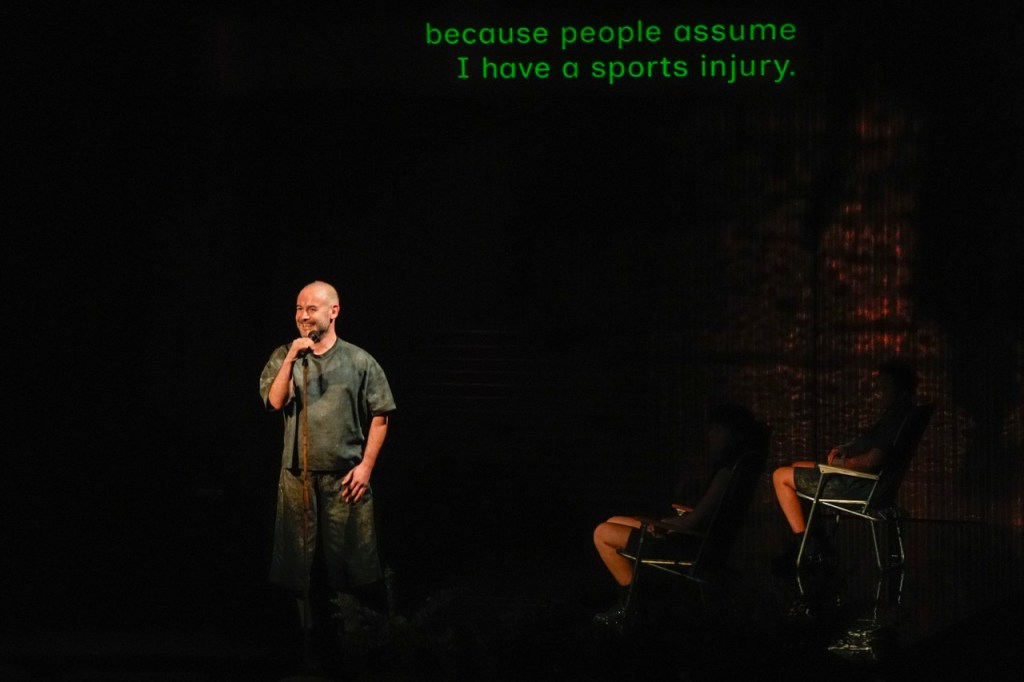
Joseph Brown. Photo: Neil Bennett. There are gaps that remain unresolved. What is the connection between the title EXXY (short for expensive, according to the show’s blurb, but never mentioned on stage) and the hardy saltbush, or the recurring focus on drool? And how do the off-stage commands for the cast to perform connect with the moments of encouraged, or enforced, audience cheering? For me, these ideas never quite knit together or get explored deeply enough.
In the end, I felt frustrated and a little manipulated. But maybe that was the point all along. EXXY certainly left me asking questions about the performance and my own response to it – and in that, it’s clearly a success.
-
Bad Hand (Sydney Festival) ★★★½
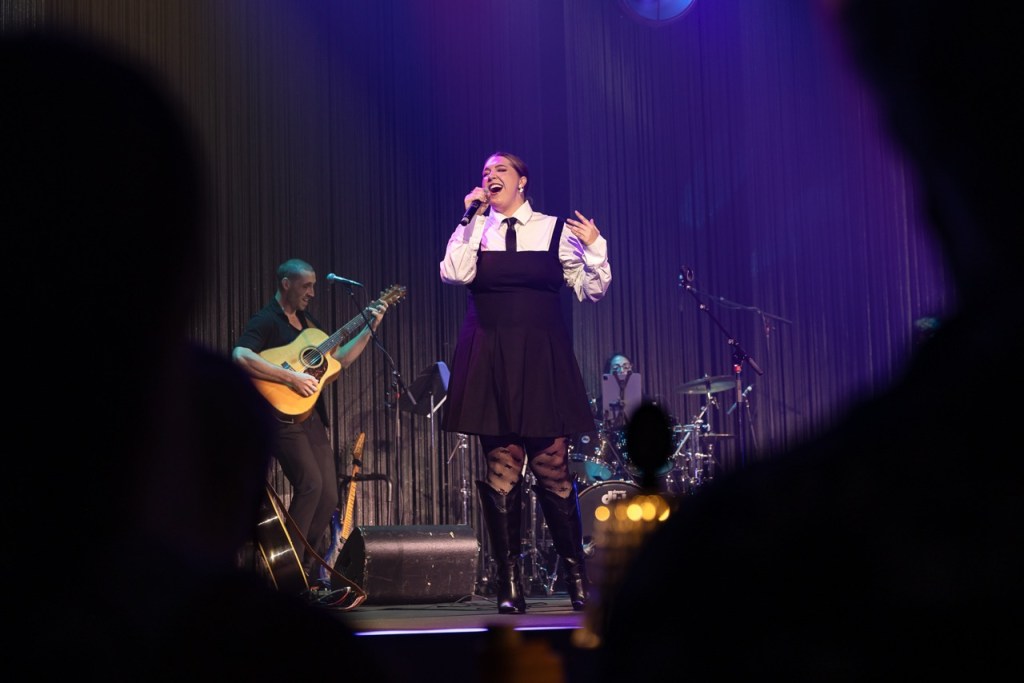
Conceived by Natalie Abbott. Wharf 1 Theatre. Sydney Festival. Jan 15 & 17, 2026.
You know Natalie Abbott from stage musicals like Muriel’s Wedding the Musical and The Lovers, but Bad Hand is something different. In her first solo cabaret, Abbott digs deep into her own experience of grief and life’s unpredictability, set against a soundtrack of Aussie pop classics, musical theatre stalwarts and some original work. Oh, and it’s funny.
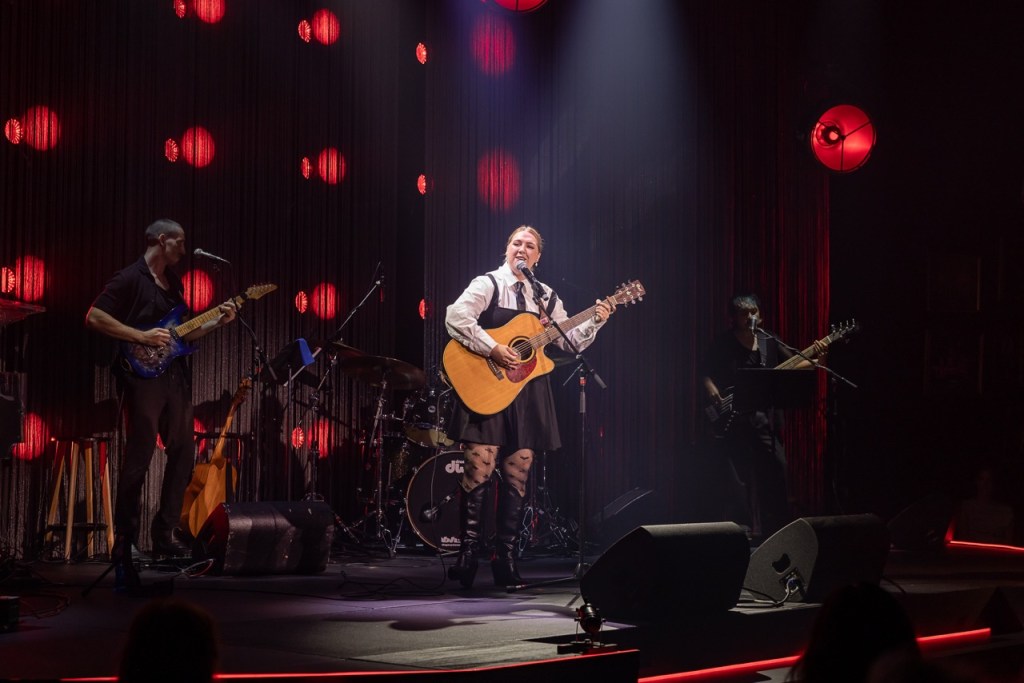
Natalie Abbott. Photo: Jacquie Manning. Sometimes bad things happen in life. You get dealt a “bad hand” (don’t worry — this is not a whole cabaret about card games). How do you recover and keep moving on? This show charts how events changed her and where she goes from here.
The music mix is eclectic but centred on melodic pop, ranging from big ballads like Tina Arena’s 1997 power ballad ‘Burn’, to the ’80s Hunters & Collectors anthem ‘Throw Your Arms Around Me’, and one of the few up-tempo Sara Bareilles tracks, 2007’s ‘Many the Miles’. Also in the mix is a fun/grim hit of Kasey Chambers, some reworked musical theatre (nothing you’ll be expecting), and even a mash-up of The Beatles and Sondheim — which, in fairness, is not completely successful, but narratively nails the headspace of someone dealing with intense loss.
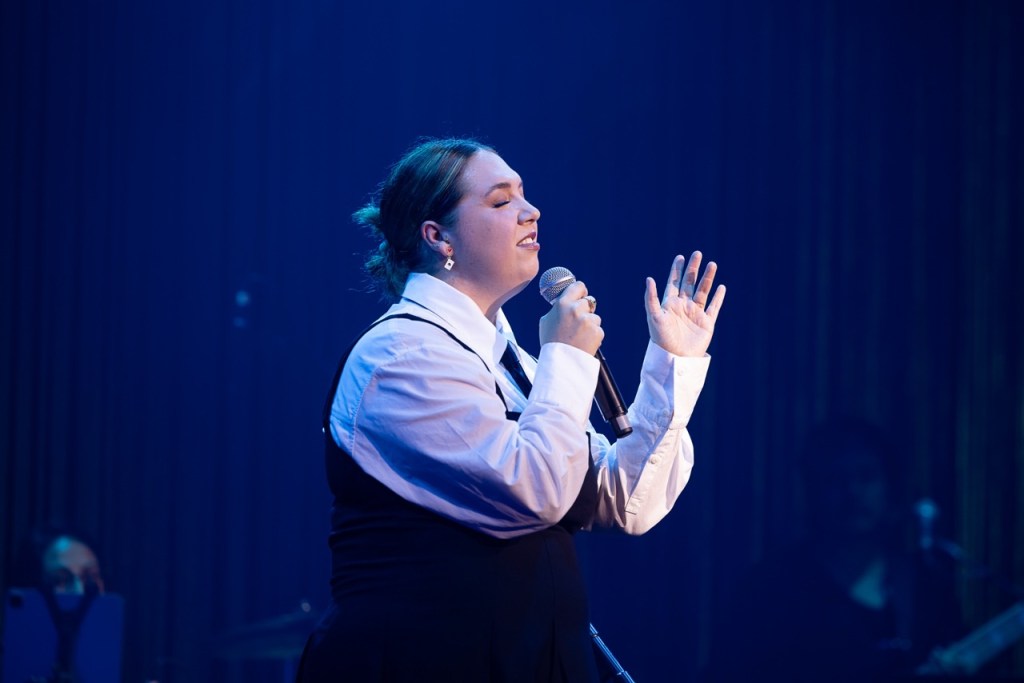
Natalie Abbott. Photo: Jacquie Manning. Abbott’s voice is, without doubt, in great shape. The song choices allow her to unleash a strong belt and crystal-like clarity of tone that’s refreshing to hear, unencumbered by the trappings of a fully fledged show. Those nervous about freewheeling, chaotic cabarets can rest assured: Abbott isn’t climbing over tables to interact with the crowd other than a little banter with the front row. Now into its second run (after premiering at the Adelaide Cabaret Festival in 2025), the show’s rhythms are clearly working, though it still feels like there’s room to tighten and elevate things structurally.
For a show about grief and nihilism, Bad Hand is surprisingly fun and often light-hearted, carried by Abbott’s natural warmth as a performer. She’s generous with the audience and, in return, receives a generous response. Abbott has taken life’s lemons and made some fine lemonade.
-
Nowhere (Sydney Festival) ★★★★
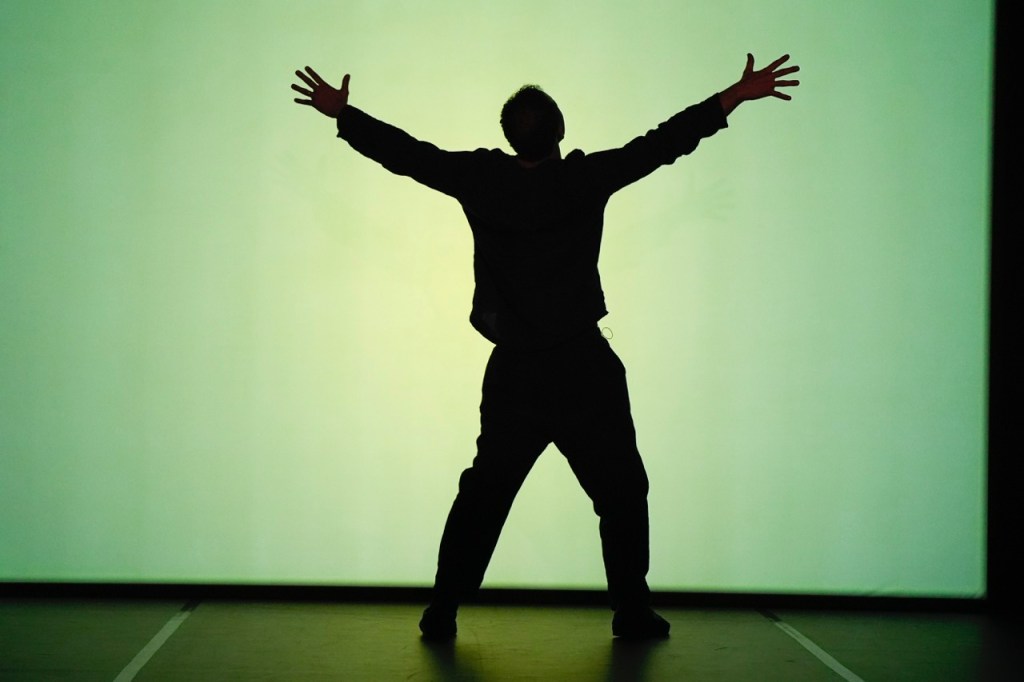
Written by Khalid Abdalla. Fuel. Australian Premiere. Sydney Festival. Roslyn Packer Theatre. 13-17 Jan, 2026.
British actor and activist Khalid Abdalla brings his one-man testimonial, Nowhere, to Sydney Festival — a playful and sincere cry for recognition.
This is the story of a boy, born to a family of Egyptian activists, who grew up to become an actor. A mix of funny anecdotes, political awakenings, heartfelt losses and a belief in the importance of everyone’s core humanity. It’s a partial memoir with a motivating point to make.
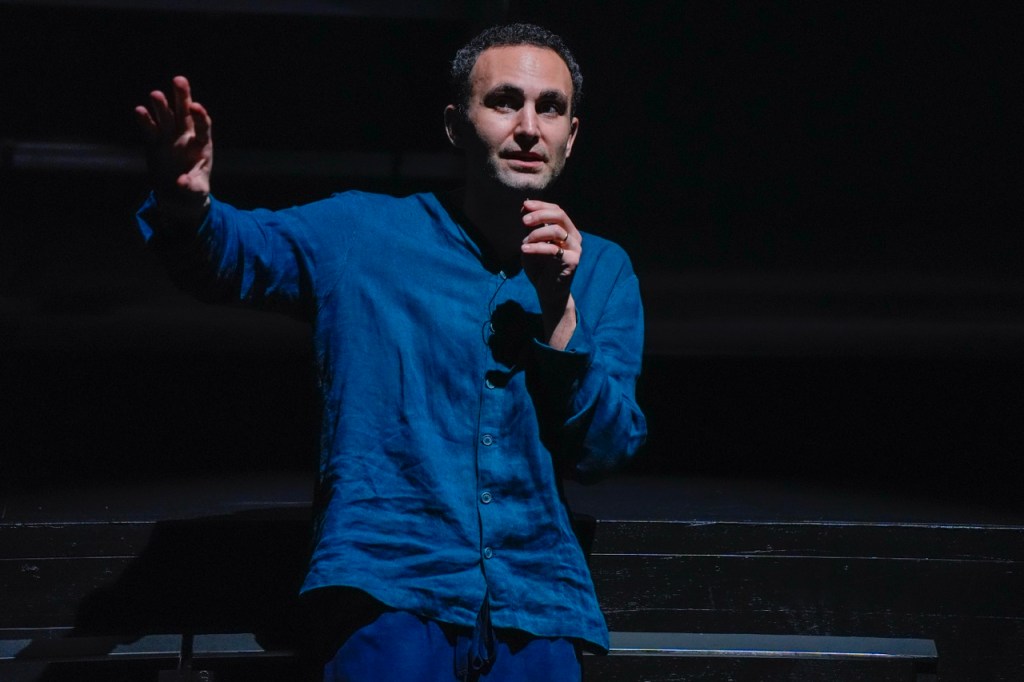
Khalid Abdalla. Photo: Neil Bennett Khalid Abdalla’s musings are decidedly non-linear, leaping from his experiences in film and TV to personal revelations amid the political uprisings in Egypt and the death of a close creative friend. This collage of moments builds, disparate piece by piece, into a portrait of “an Arab in a post-9/11 world”, as he puts it.
It’s clear Abdalla enjoys playing with the audience’s expectations. The difference between perception and reality is constantly in the air — from the gap between the Cambridge-educated Abdalla and the roles he’s been cast in (he notably played a terrorist hijacker in the Hollywood film United 93), to the way different accents change our idea of who he is. There is no fourth wall here, as he asks the audience questions about our own birthplaces and how we see ourselves. At times, Nowhere feels like a charming TED Talk.
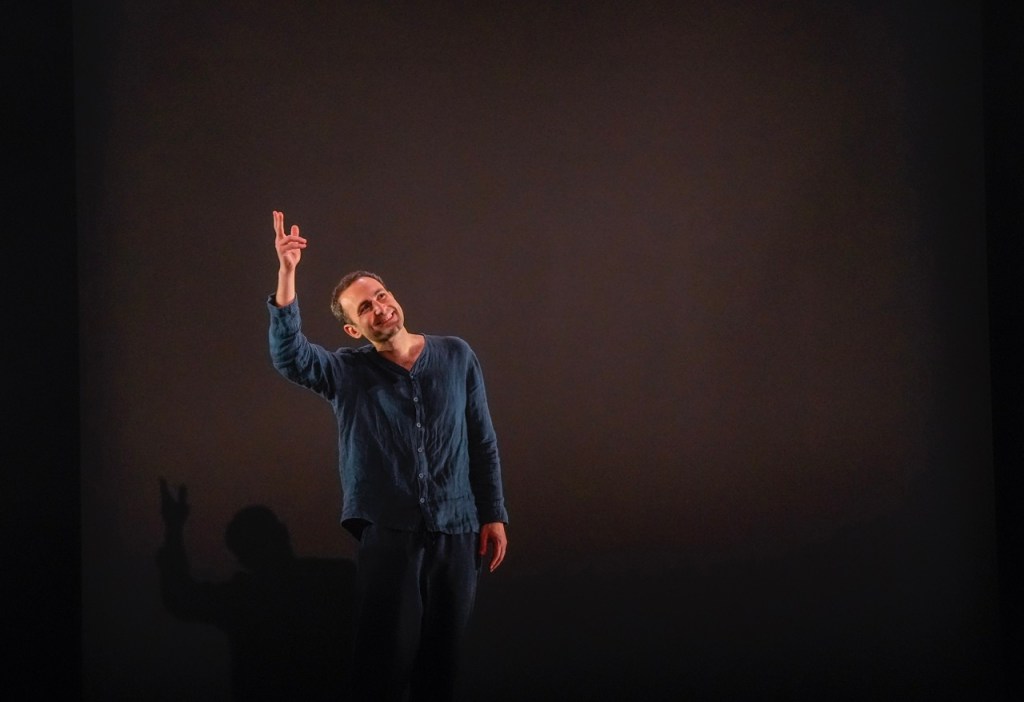
Khalid Abdalla. Photo: Neil Bennett Told with a blend of multimedia forms, Abdalla flips from physical photographs to video captured on his iPhone. Ti Green’s simple set includes multiple projection screens that layer the space, as though we’re moving through overlapping memories. As Abdalla races around the stage, a sense of child-like discovery guides us through these often avant-garde moments. One minute he takes us into an art class; the next, he’s making jokes about the lasting impacting of British colonialism — it’s quite the journey.
The stories Abdalla tells are consistently entertaining and often deeply moving. Yet they don’t always cohere into a clear narrative progression. Some anecdotes, while compelling in isolation, feel only loosely tethered to core of the show. Abdalla is definitely taking us somewhere, but he’s often choosing the scenic route there.
After inviting us into his personal pain and joy — the loss of close friends, the beauty of his children, and the racism he himself has faced — we come to understand the heart of the man and are open to hearing his words on the issues dividing Sydney and the world right now. This goes beyond anodyne “we just need to all get along” platitudes, becoming a much more human call for mutual compassion.
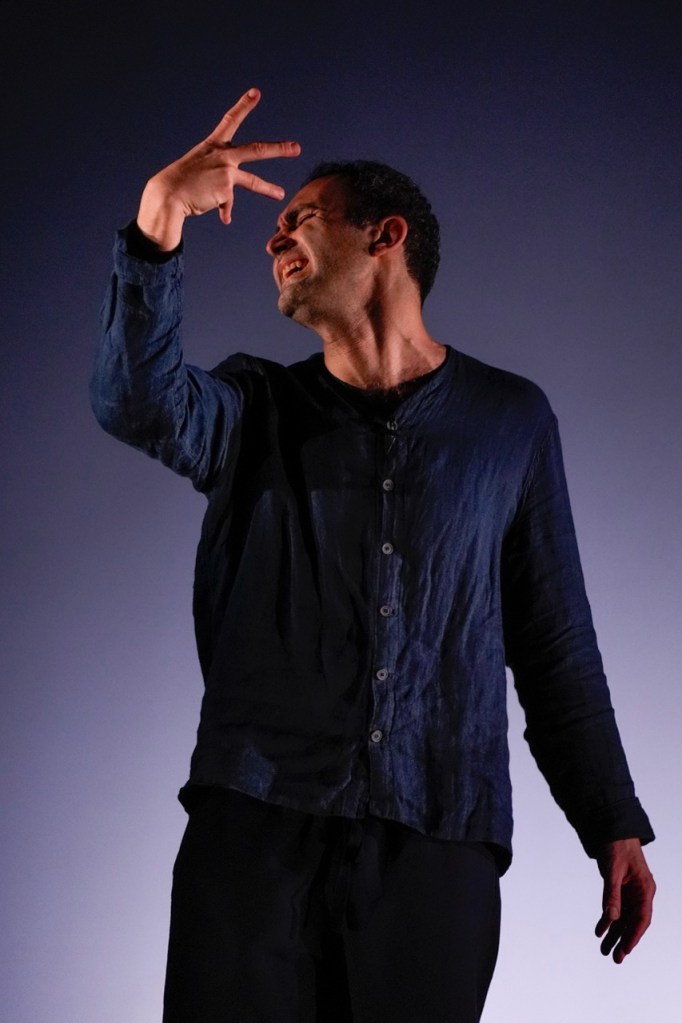
Khalid Abdalla. Photo: Neil Bennett Abdalla resists reducing conflict to simple binaries. Instead, the work examines the messy, complex world we navigate — one in which “us vs them” mentalities are tearing us apart.
Nowhere is a winding journey through one man’s life (so far) and the realisations he’s had along the way. Deeply personal, it’s a confessional piece of theatre that asks us to meet each other with the empathy we hope for ourselves.
-
Putting It Together (Foundry Theatre) ★★★★
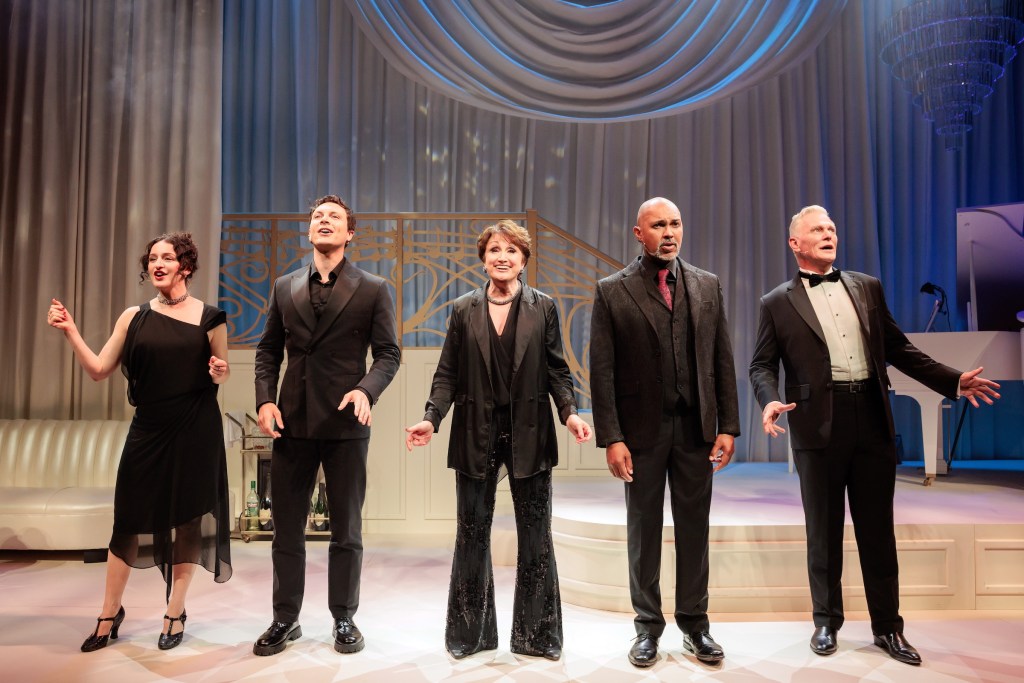
Words & Music by Stephen Sondheim. Devised by Stephen Sondheim & Julia McKenzie. Craig Donnell for Impresario Productions. Foundry Theatre. Jan 6 – Feb 15, 2026.
We’re kicking it old school in the New Year. And I’ve got to say it feels good to be opening 2026 by seeing (and hearing) some Sondheim—performed by the very best. Seriously, I want to do things to these vocals that would make the cast of Heated Rivalry blush. If you’re a musical theatre lover addicted to big, crisp vocals and intricate intonation, then you’ll love this cast!
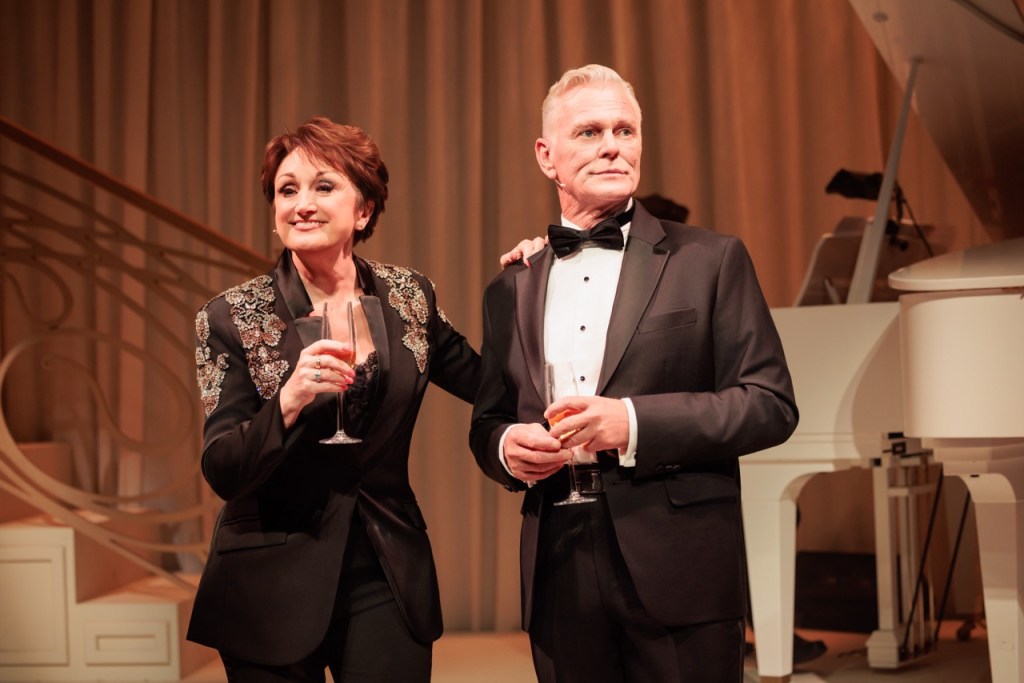
Caroline O’Connor and Michael Cormick. Photo: Daniel Boud. There is no shortage of revues based around the work of the late Stephen Sondheim (like Being Alive at the Hayes last year)—but there is only one that he was fully involved with: 1992’s Putting It Together. And despite featuring some of his best tunes, covering almost the entirety of his career, this isn’t a “greatest hits” showcase. It’s more of a thematic jukebox of Sondheim’s tunes about the messy realities of relationships.
The set-up is admittedly a bit overly-stagey. It’s a cabaret/musical/revue hybrid strung together with a very loose narrative (there is no real plot—just vibes).
Set at a New York cocktail party with two couples—one older and rich (Caroline O’Connor & Michael Cormick), the other young and ambitious (Stefani Caccamo & Nigel Huckle)—these aren’t really characters but archetypes designed to deliver songs.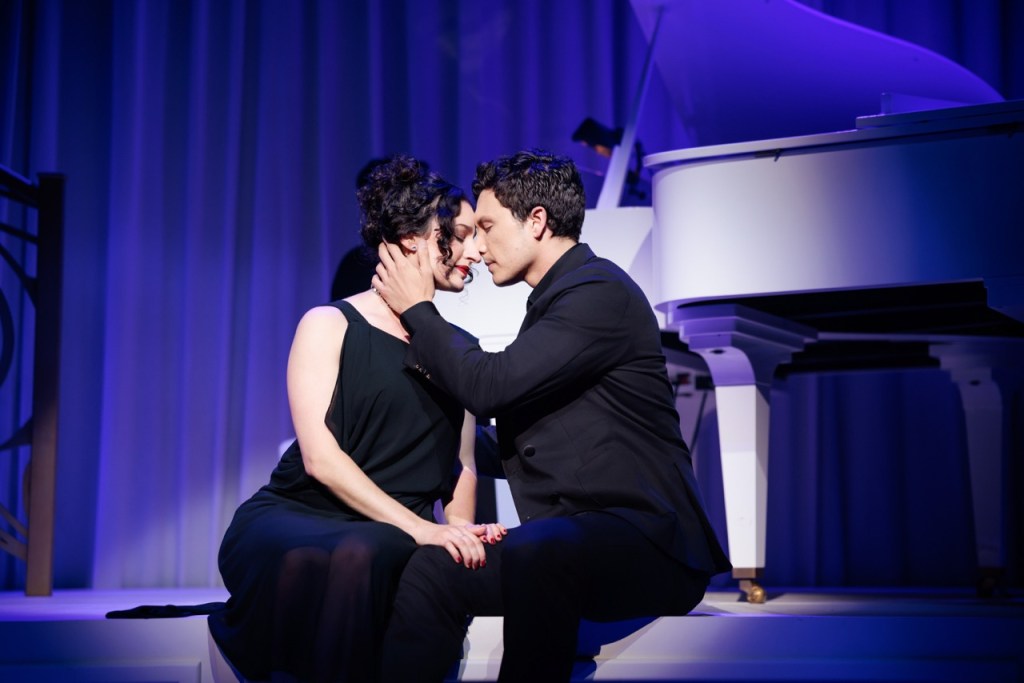
Stefanie Caccamo and Nigel Huckle. Photo: Daniel Boud. We’re helped along by Bert LaBonté’s “Observer”, who blends into scenes and gives the audience some simple context. It takes a few minutes to settle into the show’s rhythms—possibly not helped by the fact it begins with some of the more obscure Sondheim tracks—but once you get on its wavelength, it really hits its stride.
The show is at its best when it plugs into Sondheim’s witty numbers like “There’s Always a Woman”, “Getting Married Today”, “More” and “Lovely”, or when it dials up the vocals and layered arrangements for the emotional heavy-hitters “Every Day a Little Death”, “Unworthy of Your Love”, “Sooner or Later” or “Being Alive”. Honestly, this is the best arrangement of “Being Alive” I’ve ever heard – the counter-melodies will give you chills.
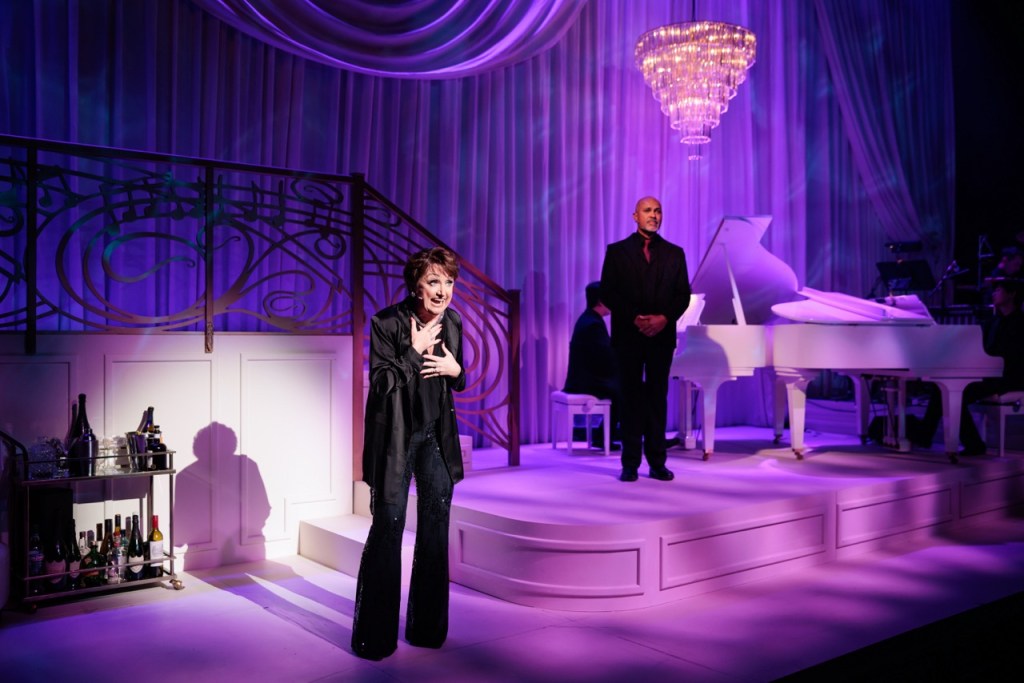
Caroline O’Connor and Bert LaBonté Photo: Daniel Boud. This cast are supremely talented, with gorgeous vocals as they wrap their lungs around some of Sondheim’s trickiest melodies and comedy songs. Caroline O’Connor is clearly the gold standard here—both for her ability to interpret songs and nail the laughs. Hearing her rendition of “Ladies Who Lunch” is easily worth the price of a ticket.
The double act of Stefanie Caccamo and O’Connor excel as dueling women. Nigel Huckle’s golden voice fills the large Foundry (has he ever played Franklin Shepard in Merrily? He should play Franklin Shepard in Merrily! Or he’d make a great Bobby for Company. Caccamo would also make for an excellent gender-swapped Bobbie – any producers reading this?!). And Michael Cormick’s clarity and gravitas round out the core quartet.
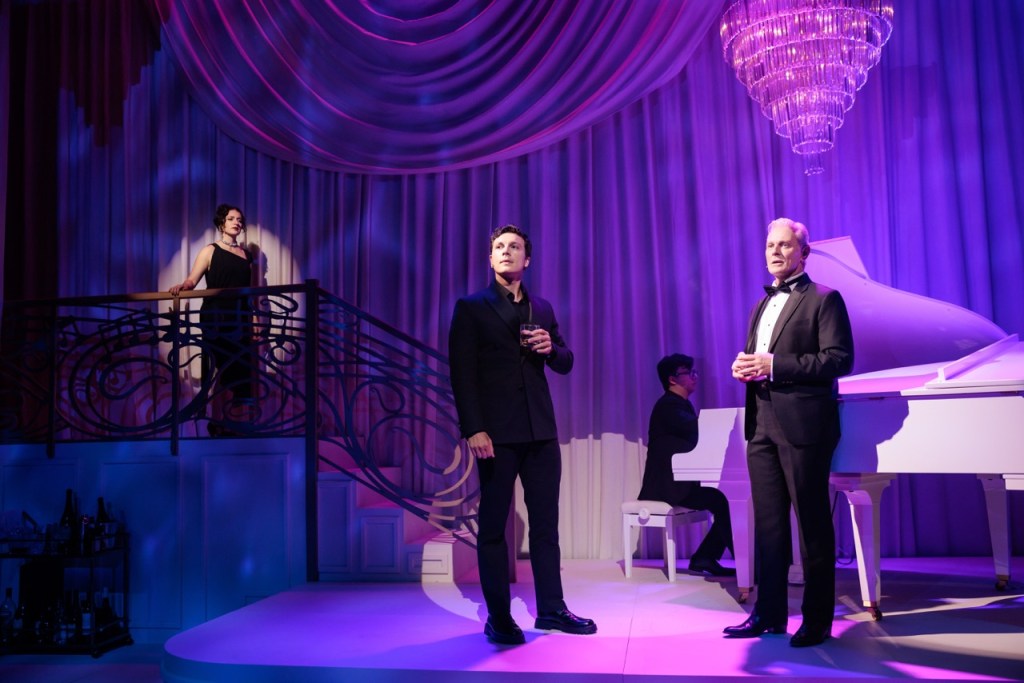
Stefanie Caccamo, Nigel Huckle and Michael Cormick. Photo: Daniel Boud. And what does Sondheim have to say about relationships in the end? Well, simply that they’re multifaceted and complicated. It’s notable that Sondheim himself remained single for most of his life, acting as an observer and chronicler of people. His take on women is mixed with caustic admiration. His take on men is tinted with a sense of disappointment. When you put them together, they can bring out the best or the worst in each other.
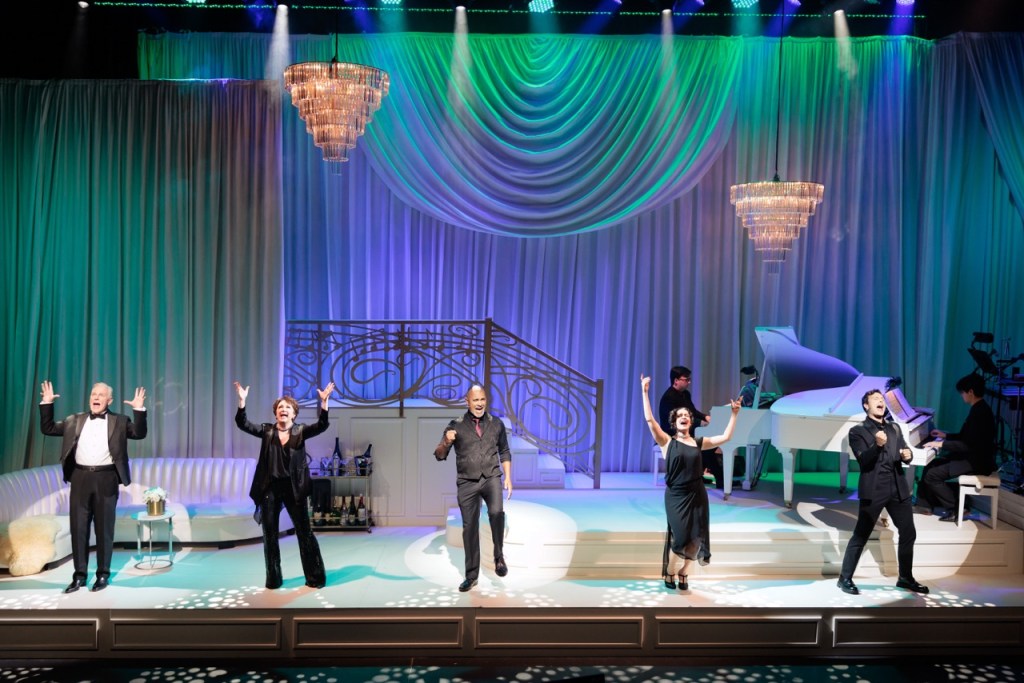
The Cast of Putting it Together. Photo: Daniel Boud. But ultimately you’ve wound your way through the casino, into the foyer bar, past the loos, crossed the second smaller bar, down the weird funnel-shaped corridor (I really love a quirky theatre space), into the not-so-hidden gem of the Foundry Theatre for one thing—Sondheim’s music.
And this show delivers, demonstrating Sondheim’s witty, lyrical brilliance and sharp observations. There is nothing generic or predictable about his songwriting, it is still dynamic and unique. His take on relationships is rarely pretty, letting his characters show their selfish, sexist, broken flaws through song.
The way the show is constructed may seem a bit odd or even dated to some, but I guarantee you I will see this a few more times before it closes. This quintet of stage talents is hard to pass up.
-
Pretty Woman: The Musical (Theatre Royal) ★★★
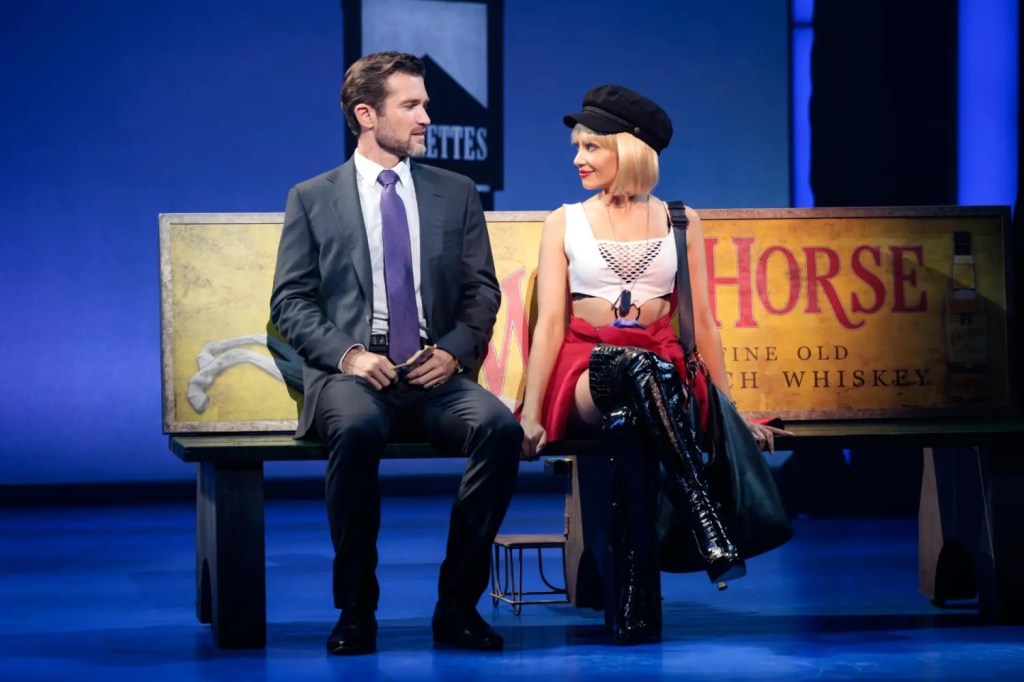
Music & lyrics by Bryan Adams and Jim Vallance. Book by Garry Marshall and J.F. Lawton. Based on the film by J.F. Lawton. Theatre Royal. Nov 30, 2025 – Mar 1, 2026.
Let me start by saying Pretty Woman: The Musical is NOT the worst musical I’ve seen in 2025. That “honour” still goes to The Devil Wears Prada: The Musical in London (“Big mistake. Huge!”). But the two shows share a lot of similar problems, the biggest of which is a seeming lack of interest from the creatives involved. Pretty Woman: The Musical is not really good, but it’s good enough—it clears the line to three-stars thanks to a charming performance from Samantha Jade.
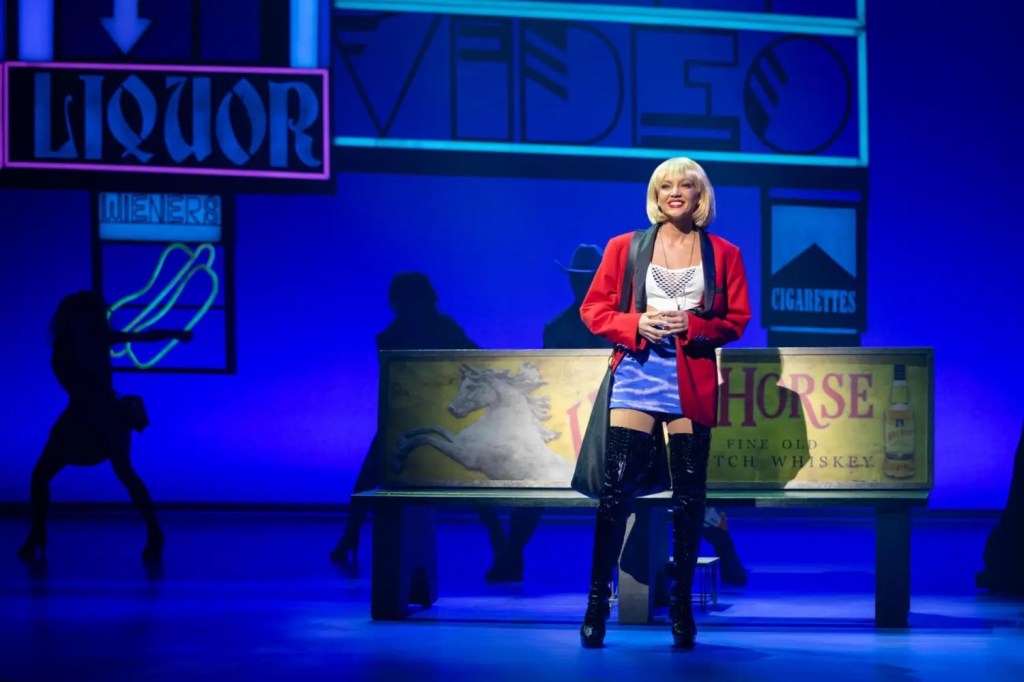
Samantha Jade. Photo: Daniel Boud. A little bit of musical theatre history: musicals have been based on films since the 1960s. The trend picked up steam in the 1990s with Disney taking to the stage, followed by fairly forgettable shows like Footloose (1998), The Full Monty (2000), Dirty Dancing (2004), and The Wedding Singer (2006). Things really went turbo-charged in 2007 with the success of Legally Blonde: The Musical, which became a major global hit thanks to its smart writing, high-energy pop score and media savvy marketing.
Since then, screenwriters, film studios, and producers have been trying to turn film IP into musicals—usually without success. For every genuine hit like Kinky Boots (2013) or Waitress (2016), there’s a graveyard of musicals including Desperately Seeking Susan (2007), Flashdance (2008), Ghost (2011), The Bodyguard (2012), Rocky (2014), Cruel Intentions (2017), Clueless (2018), Tootsie (2019), Mrs Doubtfire (2021), all the way up to the likes of The Queen of Versailles, Burlesque, and 50 First Dates this year (2025).
I’m not saying they were all bad—most were—but none hit the heights of Legally Blonde, even if they continue to enjoy success on tours. In classic Hollywood-exec style, it’s clear that people saw Legally Blonde’s success and thought, “Audiences love seeing hit films on stage,” without considering all the factors that made Legally Blonde exceptional. And that’s how we ended up with Pretty Woman: The Musical.
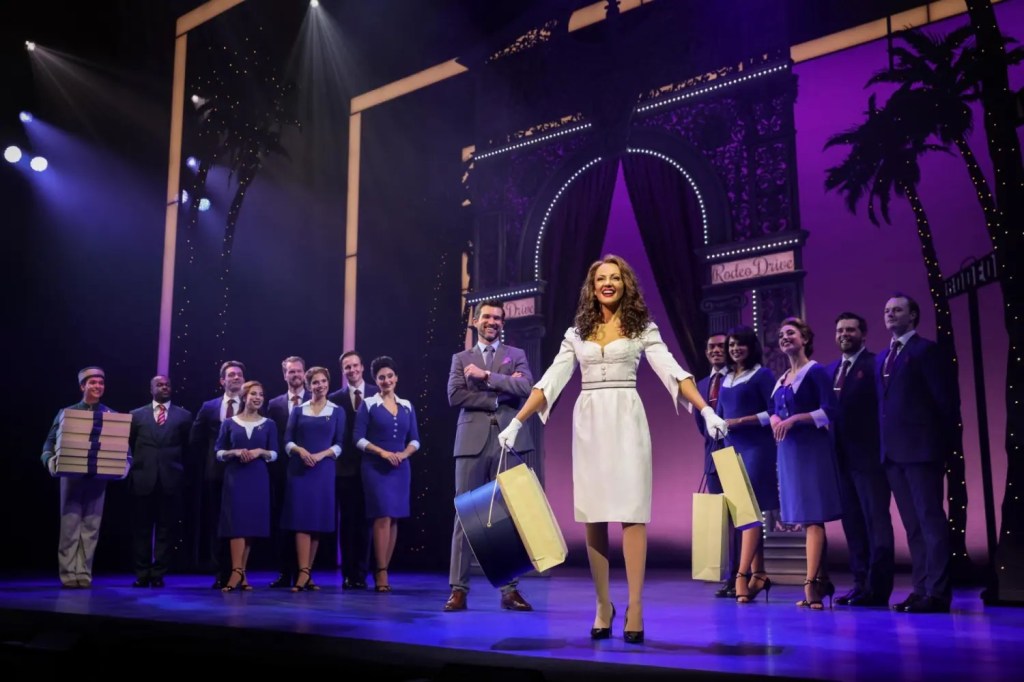
Samantha Jade & Ensemble. Photo: Daniel Boud. And I kept thinking about Legally Blonde while watching Pretty Woman because there are some solid parallels—not even counting the casting of Andy Karl and Orfeh in both Broadway productions of the shows. The real comparison hit me with the iconic shopping/makeover scene.
In Legally Blonde, the song “Take it Like A Man” works on two levels: it’s both a comedic beat and a moment of genuine emotional development. Elle realises she’s in love with Emmett and that exterior changes don’t alter the man underneath. “That’s the best part, the outside is new. But now it reflects what’s already in you.” What’s that smell? Subtext… by Calvin Klein.
In Pretty Woman’s equivalent moment—Edward taking Vivienne shopping for her second back-to-back makeover—we get “You’re Beautiful”. It’s a song about how a woman who makes a living off her sexual attraction is, surprise surprise, even more beautiful in designer clothes! “You’re beautiful. You’ve got style and grace. There’s something about your smile that says you’re on your way.” I felt like William Shatner at the end of Miss Congeniality, soullessly reciting, “She’s beauty, she’s grace, she’s Miss United States!” What’s that smell? Bad writing.
And yes, before you ask, Miss Congeniality: The Musical is in development right now.

Samantha Jade & Ben Hall. Photo: Daniel Boud. Pretty Woman gives us first-base lyrics in middle-of-the-road pop-rock tunes that don’t really progress the story. The iconic film visuals are all present—the trashy blonde wig, the big white hat, the snapping-the-jewellery-box-shut—but none land triumphantly. The book is full of talk about emotions but very little actual feeling on stage. The sexual chemistry is as fake as the sheet of fluffy cloth meant to be the bubbles in the bathtub scene.
It feels as though the original production team simply duplicated the film’s big moments, threw some songs in, and walked away to collect their pay cheques. It’s professionally executed but utterly passionless. During the opera scene, I was praying for the Phantom to start killing people.
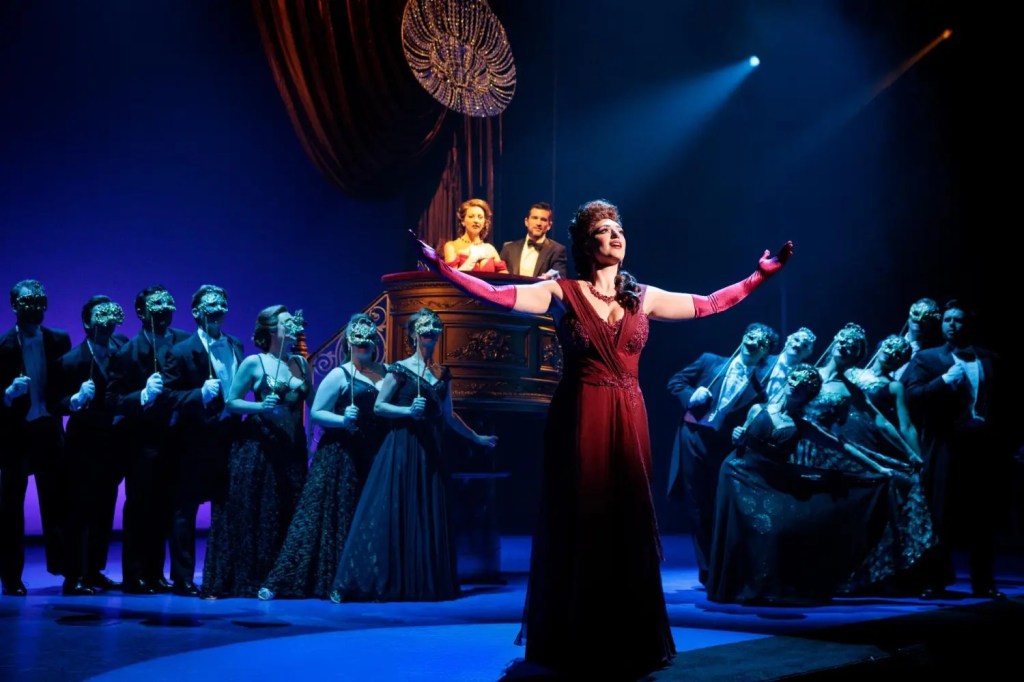
Samantha Jade, Ben Hall and Ensemble. Photo: Daniel Boud. But things aren’t all dire. After the harsh Broadway & London reviews, and the lukewarm local ones, I expected a one- or two-star fiasco… but… well…
Samantha Jade is just so damn likeable that she actually sells it.
While sometimes I felt like joining in with Vivienne wishing she was “Anywhere but here” there’s no denying that Jade is a vocal powerhouse who really makes the most of some underwhelming tunes. She’s equally strong with the brash comedy, the winning innocence and the seduction. Much like Julia Roberts in the film, it’s hard not to love this cliched hooker-with-a-heart-of-gold.
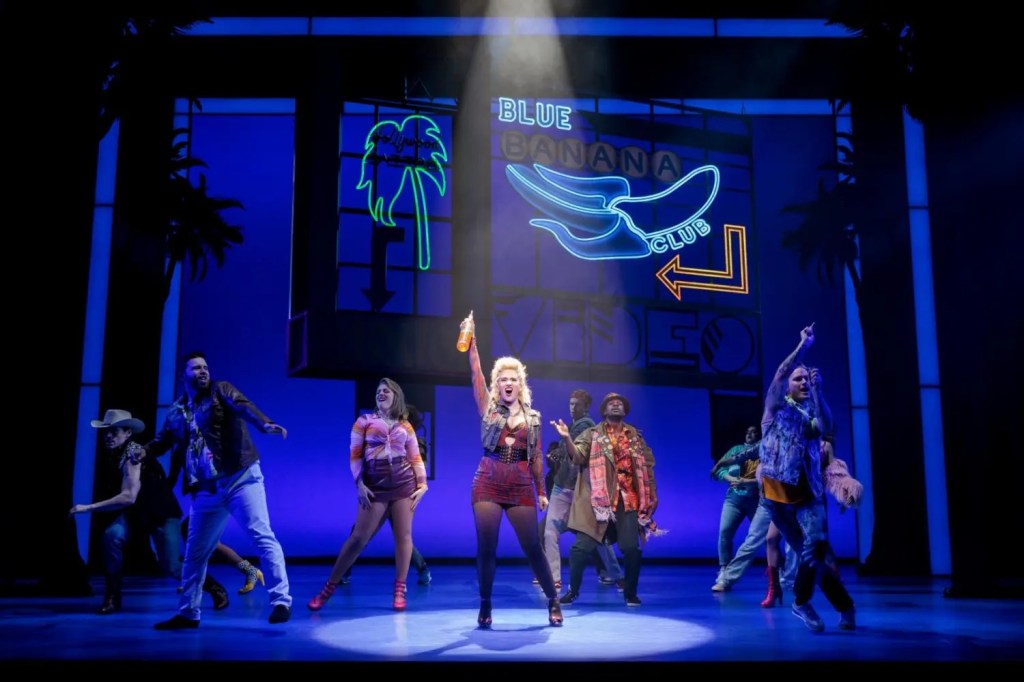
Michelle Brasier and Ensemble. Photo: Daniel Boud. She’s backed up by some real standouts. Ben Hall has little to work with as the underwritten millionaire-killjoy Edward, but his vocals are gorgeous. Michelle Brasier turns the bog-standard “sassy best friend” Kit into a showstopper. And Jordan Tomljenovic does his best to steal every scene he’s in as the bellboy Giulio.
So, is Pretty Woman: The Musical worth seeing? Sure—if you’re up for a light, inoffensive evening with friends. There’s some enjoyment to be had here even if it’s the kind of show that would be fun in 2005, but feels like a throwback in 2025. It definitely lacks the creative spark of other musicals we’ve seen at the Theatre Royal this year like Hadestown, The Lovers, or even Cats, but the great vocals will please lovers of a big belting tune and the feelgood plot still works a little bit of magic.
-
Cultural Binge’s Top Ten Sydney Shows of 2025

Out of the 139 shows I saw this year (there were a few repeat visits in there, and a lot of shows in Melbourne, London and New York), I picked my personal favourite ten shows of the year – and it was an unexpected list.
Kudos to the great independent shows that dominated!
Read the full list & my breakdown of the year over on my Substack. culturalbinge.substack.com

-
Subscribe
Subscribed
Have a WordPress.com account? Log in now.

